Understanding Neurodiversity: The Love-First Journey
# Reflections on Parenting and Success
I want to start by acknowledging a crucial point: my son, now 22, is thriving. He is an exceptionally bright and neurodiverse individual on the path to becoming a Civil Engineer. His college expenses were fully covered by scholarships and a work-study program supported by the Kentucky Transportation Cabinet (KYTC). As part of the agreement for funding his education for four years, he will work there for an additional four years post-graduation.
His achievements have truly amazed me. Despite facing challenges, he has excelled. He has even traveled to Europe twice, reconnecting with friends he made along the way.
My son has found his place as a neurodiverse individual in a world that can be overwhelming and chaotic. His neurodiversity has not hindered him; instead, it has propelled his success.
From being a solitary figure in a bustling school cafeteria, he has made significant strides.
I believe that my decision to prioritize guiding him over my corporate career has been crucial. It has played a pivotal role in his remarkable journey.
However, as he flourishes, I find myself in the process of redefining my identity beyond parenthood, a task that presents its own challenges.
Society often equates success with financial accomplishments, an area where I have not excelled. In the upcoming series, I will delve into the choices between love and career ambition—sharing insights gained, reflecting on what could have been done differently, and cherishing the invaluable lessons learned.
My son has been a profound teacher, guiding me through life’s complexities. Our shared journey has been transformative, offering us both invaluable growth.
I am currently in the process of reshaping the narrative of my life, as I delve into the concept of Purpose Beyond Parenting, a subject that I am eager to delve deeper into in the days ahead.
I extend a warm invitation to you to accompany me on this continuous voyage as we question and challenge traditional definitions of success, placing a strong emphasis on the importance of love, meaningful relationships, and personal fulfillment over mere societal labels and positions.
Ultimately, I believe that ambition can be redefined to harmonize with your current desires and dreams. Before we delve into more of my personal story, let’s digress a little and learn more about what the term neurodiversity really means.
What is Neurodiversity?
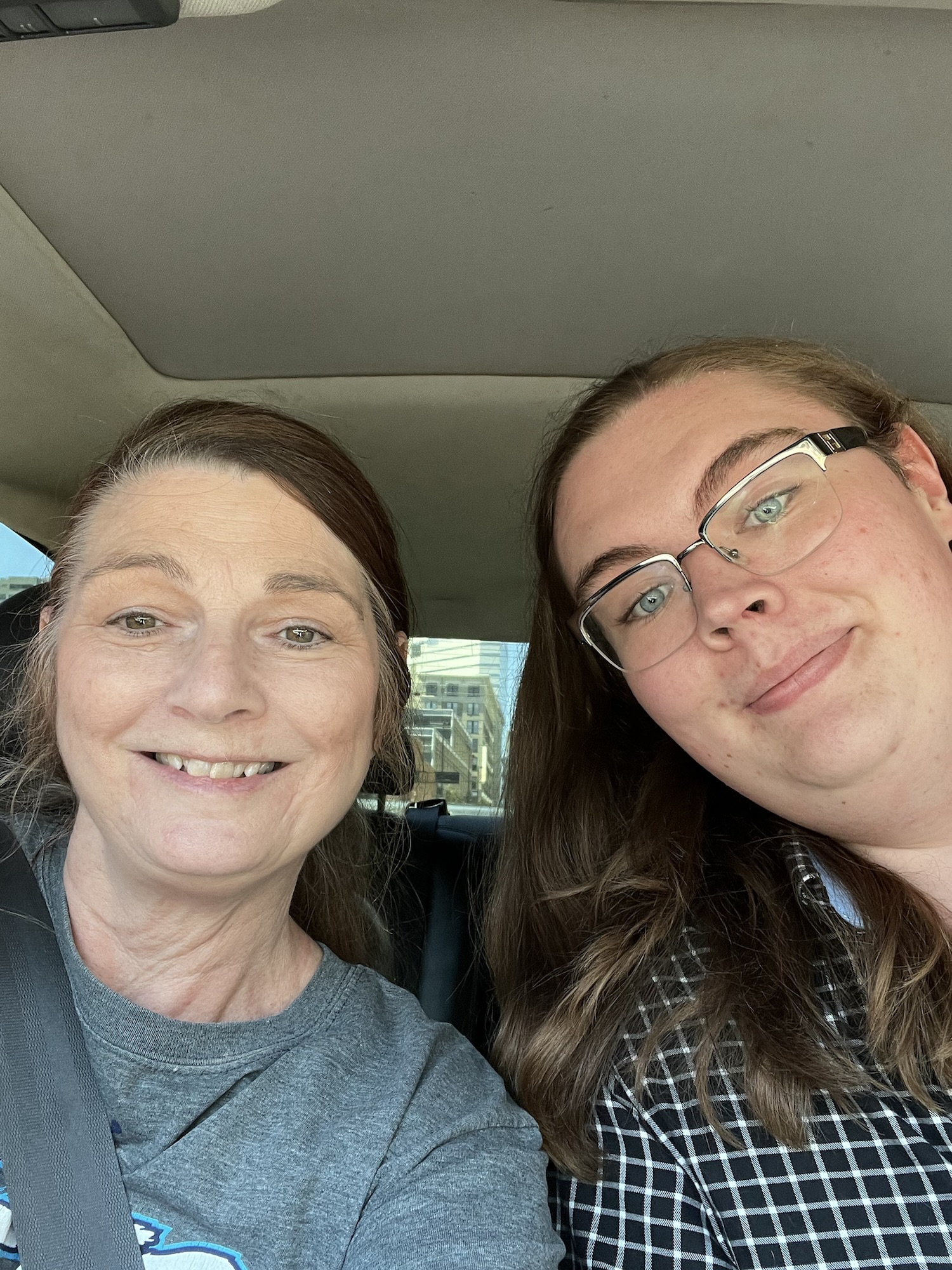
When I first heard the term “neurodiverse,” I was overwhelmed with a mix of emotions. As a mother, I had always known my child was different, but I couldn’t quite put my finger on why. The journey of discovery began with confusion and fear, but it has since transformed into a beautiful adventure of understanding and acceptance.
Neurodiversity, I learned, is the concept that neurological differences are natural variations in the human genome. It encompasses conditions such as autism, ADHD, dyslexia, and many others.
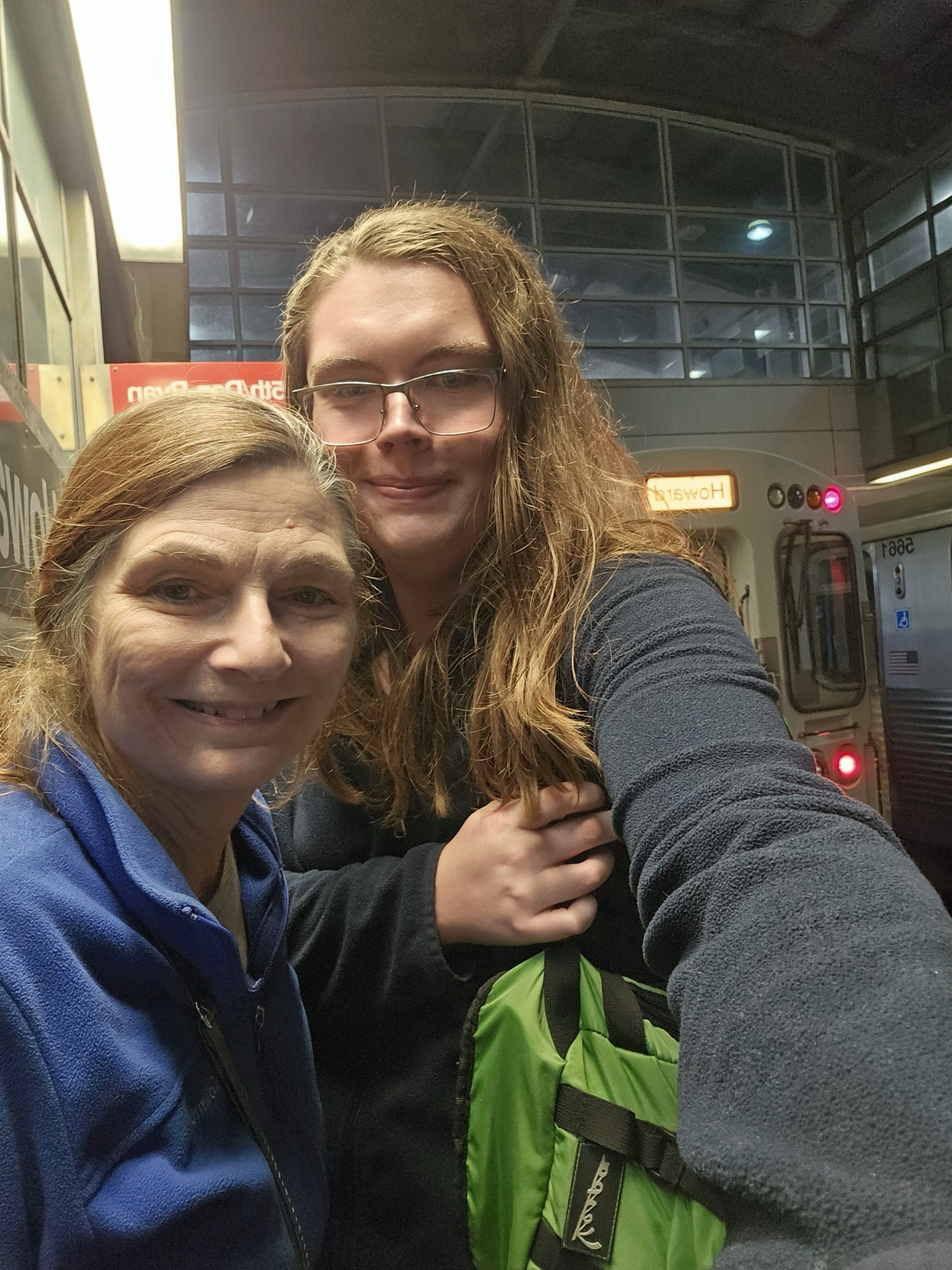
This revelation was a turning point for me, as it shifted my perspective from viewing my son’s differences as deficits to seeing them as unique strengths and challenges.
The process of understanding neurodiversity has been both enlightening and humbling. It has taught me to question societal norms and expectations, and to appreciate the incredible diversity of human cognition. This journey has not only changed how I view my son, but has also transformed my understanding of humanity as a whole.
Redefining Success for Your Neurodiverse Child
One of the most significant lessons I’ve learned is the importance of redefining success for myself and my neurodiverse son.
Society often measures success in narrow terms – academic achievements, career milestones, or social popularity. However, these metrics can be limiting and even damaging when applied to neurodiverse individuals.
For my child, success might look like:
- Mastering a new self-care skill
- Expressing emotions effectively
- Pursuing a passionate interest
- Overcoming sensory challenges
- Building meaningful relationships, even if they’re few
This redefinition has been liberating for both my son and me. It has allowed us to celebrate small victories and appreciate progress that might go unnoticed by others.
It has also helped me to let go of societal expectations and focus on what truly matters – my son’s happiness and well-being.
Redefining success has also meant adjusting my own expectations and dreams for my son’s future. I’ve learned to be open to unconventional paths and to trust that my son’s unique strengths will lead to fulfillment, even if it looks different from what I had initially envisioned.
The Unexpected Joys of Raising a Neurodiverse Person
While the challenges of raising a neurodiverse person are often discussed, I want to shine a light on the unexpected joys that have enriched my life. My son’s unique perspective has opened my eyes to wonders I might have otherwise overlooked.
Here are some of the unexpected joys I’ve experienced:
- Heightened empathy: I’ve developed a deeper understanding and compassion for others.
- Appreciation for details: My son’s ability to notice minute details has taught me to slow down and observe the world more closely.
- Unconditional love: The bond we share is profound and has taught me the true meaning of unconditional love.
- Celebration of uniqueness: I’ve learned to embrace and celebrate differences in all people.
- Personal growth: The challenges have pushed me to grow in patience, resilience, and creativity.
These joys have transformed my parenting journey into a rewarding adventure. They’ve taught me to find beauty in the unexpected and to appreciate the extraordinary in the ordinary.
Navigating the Challenges: Common Hurdles and Solutions
Raising a neurodiverse person comes with its unique set of challenges. Over the years, I’ve encountered numerous hurdles, but I’ve also discovered effective solutions that have made our journey smoother.
| Challenge | Solution |
|---|---|
| Sensory overload | Creating a sensory-friendly home environment |
| Communication difficulties | Learning alternative communication methods (e.g., visual aids, sign language) |
| Meltdowns and emotional regulation | Implementing calming techniques and identifying triggers |
| Social interactions | Facilitating structured social opportunities and teaching social skills |
| Executive function struggles | Using visual schedules and breaking tasks into smaller steps |
One of the most significant challenges has been dealing with public misconceptions and judgments.
I’ve learned to become an advocate for my son, educating others about neurodiversity and challenging stereotypes.
This advocacy has not only helped my son but has also contributed to creating a more inclusive community.
It’s important to remember that every neurodiverse person is unique, and what works for one may not work for another. Patience, flexibility, and a willingness to try different approaches have been key in finding effective solutions for our family.
The Career Dilemma: Balancing Work and Special Needs Parenting
Balancing a career with the demands of raising a neurodiverse person has been one of the most challenging aspects of my journey. The traditional work environment often lacked the flexibility and understanding that I needed to accommodate the unpredictable nature of special needs parenting.
I’ve had to make difficult decisions, including:
- Stepping away from my corporate career
- Reducing work hours
- Changing career paths
- Exploring remote work options
- Taking extended leaves of absence
These choices have had significant impacts on my career trajectory and financial situation. However, they’ve also allowed me to be more present for my son during crucial developmental periods.
I’ve learned to redefine success in my professional life, just as I have for my son. Success now means finding a balance that allows me to meet my son’s ongoing needs while still pursuing my own passions and contributing to our family’s financial stability.
Choosing Motherhood: When Your Child Needs You Most
There came a point in my journey where I had to make a pivotal decision – to continue pursuing my career ambitions or to dedicate myself fully to my son’s needs. This decision was not easy, and it came with its own set of challenges and sacrifices.
Choosing motherhood over career with a neurodiverse child meant:
- Letting go of long-held professional goals
- Adjusting to a lower-income household
- Dealing with feelings of loss and identity crisis
- Facing judgment from others who didn’t understand my choice
- Finding new ways to fulfill my personal needs and aspirations
Despite the difficulties, I’ve found that this decision has brought unexpected rewards. It has allowed me to be fully present during critical moments in my son’s development and to provide the consistent support and advocacy they need.
This choice has also led me to discover new passions and skills. I’ve become an expert in diversity, equity and inclusion and a fierce advocate for neurodiversity.
Building a Support System for Your Neurodiverse Family
Creating a strong support system has been crucial in our journey. This network has provided emotional support, practical help, and valuable resources that have made a significant difference in our lives.
Our support system includes:
- Family and friends: Those who have taken the time to understand our challenges and offer unconditional support.
- Therapists and specialists: Professionals who provide expert guidance and interventions.
- Public School System: My son received an IEP (Individual Education Plan) that allowed him to have extra support and resources.
- Educators: Teachers and school staff who are committed to our child’s success.
Building this support system has taken time and effort. It has involved educating those around us, seeking out resources, and sometimes letting go of relationships that were not supportive.
I’ve learned the importance of being vulnerable and asking for help when needed. This openness has not only benefited our family but has also created opportunities for others to learn about neurodiversity and become allies in creating a more inclusive world.
Advocating for Your Child: In School and Beyond
Becoming an advocate for my neurodiverse son has been a transformative experience. It has required me to step out of my comfort zone, educate myself on laws and rights, and develop the confidence to speak up for my child’s needs.
Key areas of advocacy include:
- Education: Ensuring appropriate accommodations and support in school
- Healthcare: Navigating the complex medical system and insurance challenges
- Community inclusion: Promoting accessibility and acceptance in our local community
Advocacy has taught me valuable skills such as effective communication, negotiation, and persistence. It has also connected me with other passionate advocates, creating a powerful network of change-makers.
One of the most rewarding aspects of advocacy has been seeing the positive impact not just on my child, but on other neurodiverse individuals in our community. Every small victory in creating a more inclusive world feels like a step towards a brighter future for all.
Self-Care Strategies for Parents of Neurodiverse Children
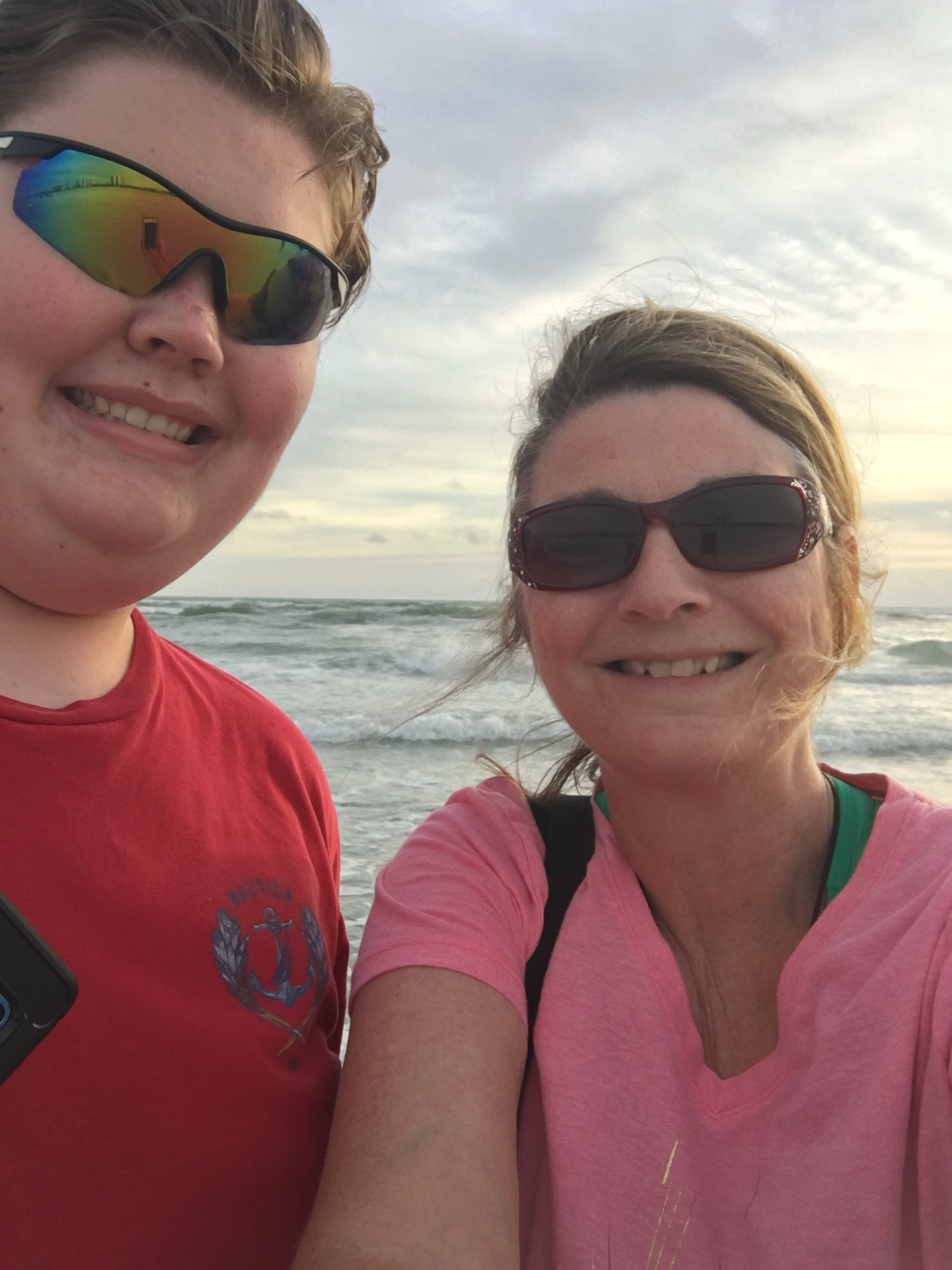
As a mother of a neurodiverse child, I quickly learned that taking care of myself was not a luxury, but a necessity. Burnout is a real risk for parents in our situation, and maintaining our own well-being is crucial for being able to support our children effectively.
Some self-care strategies I’ve found helpful include:
- Regular exercise: Even short walks can help clear the mind and reduce stress.
- Mindfulness practices: Meditation or deep breathing exercises to stay grounded.
- Hobbies: Engaging in activities that bring joy and a sense of accomplishment.
- Support groups: Connecting with other parents who understand our unique challenges.
- Professional help: Seeking therapy or counseling when needed.
I’ve had to learn to prioritize self-care and overcome feelings of guilt associated with taking time for myself. I’ve come to understand that by taking care of my own needs, I’m better equipped to meet the needs of my child and family.
It’s also been important to recognize and celebrate my own growth and achievements. Parenting a neurodiverse child has made me stronger, more compassionate, and more resilient – qualities that deserve acknowledgment and appreciation.
Embracing the Unique: Celebrating Your Child’s Differences
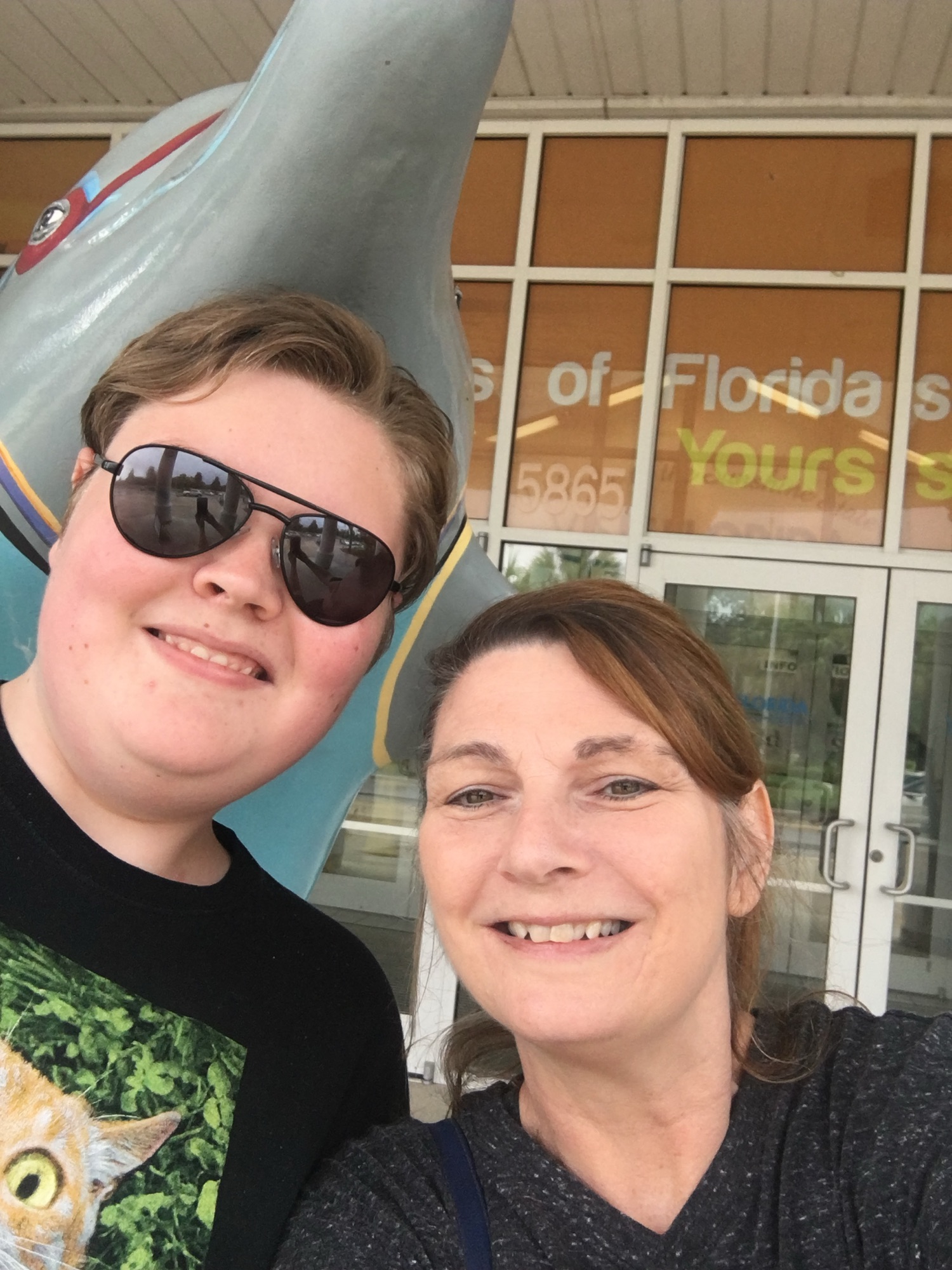
Learning to embrace and celebrate my child’s unique qualities has been one of the most joyful aspects of our journey. It’s required a shift in perspective – from focusing on what my child can’t do to appreciating what they can do in their own unique way.
Ways we celebrate our child’s uniqueness:
- Honoring special interests and talents
- Creating traditions that cater to their preferences
- Sharing their unique perspective with others
- Adapting family activities to include their strengths
- Praising efforts and progress, not just outcomes
This celebration of differences has not only boosted my son’s self-esteem but has also enriched our family life. It’s taught us all to appreciate diversity in all its forms and to find beauty in the unexpected.
I’ve also found that by openly embracing my child’s differences, we’ve created a more accepting environment around us. It’s opened doors for meaningful conversations about neurodiversity and has inspired others to be more inclusive.
Looking to the Future: Preparing Your Neurodiverse Child for Adulthood
As my son continues in his journey, I find myself increasingly focused on preparing him for adulthood. This preparation looks different for a neurodiverse person and requires careful consideration of their unique strengths and challenges.
Key areas of focus include:
- Life skills: Teaching practical skills for independent living
- Self-advocacy: Empowering my child to speak up for their needs
- Career exploration: Identifying potential career paths that align with their interests and abilities
- Financial literacy: Teaching money management skills adapted to their level of understanding
- Social relationships: Fostering healthy relationships and social skills
This preparation is a gradual process, tailored to my son’s developmental pace. It involves a delicate balance of pushing for growth while respecting limitations and celebrating progress at every step.
I’ve learned to be open to unconventional paths to adulthood. Success for my child might look different from societal norms, and that’s okay. The goal is to help them build a life that is fulfilling and authentic to who they are.
Lessons in Love, Patience, and Perseverance: A Mother’s Reflection
As I reflect on my journey of raising a neurodiverse child, I’m struck by the profound lessons I’ve learned.
This experience has shaped me in ways I never could have imagined, teaching me the true meaning of love, patience, and perseverance.
- Love, I’ve discovered, is not about molding a child into what we think they should be, but about embracing them for who they are.
It’s about finding joy in their unique way of experiencing the world and supporting their journey, wherever it may lead.
- Patience has become my constant companion.
I’ve learned to celebrate small victories, to understand that progress often comes in its own time, and to find peace in the present moment rather than anxiously rushing towards future milestones.
- Perseverance has been my strength.
There have been moments of doubt, exhaustion, and frustration, but the love for my child has always pushed me forward. I’ve learned to be resilient in the face of challenges and to keep advocating even when it feels like an uphill battle.
- This journey has also taught me the power of community.
The connections I’ve made with other parents, professionals, and advocates have been invaluable. They’ve provided support, shared wisdom, and reminded me that we’re not alone in this journey.
Raising a neurodiverse child has been the most challenging and rewarding experience of my life. It has opened my eyes to a world of diversity and possibility that I might otherwise have overlooked.
The Love-First Journey has made me a better person. I am now more compassionate and more patient. I also appreciate the beauty in our differences more.
To other parents embarking on this journey, I want to say: Trust your instincts, be kind to yourself, and never lose sight of the incredible person your child is becoming.
The path may not be what you expected, but it is filled with unexpected joys and profound love.
If you’re a parent of a neurodiverse child, remember that you’re not alone on this journey. Consider joining a local support group or online community where you can connect with other parents who understand your experiences.
Share your story, seek advice, and offer support to others. Together, we can create a more understanding and inclusive world for our neurodiverse children.


































 The Zen Professor
Leave a comment