Are you an introvert? Have you ever wondered if you are also neurodiverse? I’ve often found myself navigating a world that seems tailor-made for extroverts, where social gatherings often drain my energy rather than replenish it. I have also realized that my brain is a little different than others; I process information uniquely and tend to experience sensory overload in chaotic environments.
As I explore this aspect of myself, I recognize that I exist on a plane that is on the edge of neurodiversity, where my introverted tendencies intertwine with a rich inner world filled with creativity and thoughtfulness.
This journey of self-discovery has led me to seek out connections with others who share similar experiences and to create spaces where I can all thrive despite the mainstream expectations placed upon me.
Over time, I’ve come to realize that my introversion isn’t a weakness—it’s a superpower. In this article, I’ll explore how introverted and neurodiverse adults can harness their unique strengths and thrive in various aspects of life.
Understanding Introversion and Neurodiversity
Introversion and neurodiversity are two distinct but often interrelated concepts that shape the experiences of many individuals. I am an introverted and somewhat neurodiverse adult. I’ve found that understanding these aspects of my identity has been crucial. This understanding helps me embrace my strengths and navigate challenges.
Introversion is a personality trait characterized by a preference for solitude, deep reflection, and smaller social gatherings. It’s important to note that introversion exists on a spectrum, and introverts can still enjoy social interactions—they just need more time to recharge afterward.
On the other hand, neurodiversity refers to the natural variations in neurological differences among humans, including conditions such as autism, ADHD, and dyslexia.
When introversion and neurodiversity intersect, it can create a unique set of experiences and challenges.
Many neurodiverse individuals find that their introverted tendencies are amplified by their neurological differences. For example, an autistic person might find social interactions particularly draining due to the additional cognitive effort required to navigate social cues and sensory stimuli.
The Unique Strengths of Introverted Neurodiverse Adults

As an introverted adult on the edge of neurodiversity, I’ve discovered that this unique combination of traits can lead to some remarkable strengths. Here are some of the qualities that can set you apart:
- Deep focus and concentration: An ability to immerse yourself in tasks and ideas for extended periods can lead to exceptional productivity and creativity.
- Heightened empathy: Many introverted neurodiverse individuals possess a keen sensitivity to others’ emotions and experiences, making us excellent listeners and supportive friends.
- Analytical thinking: A tendency to process information deeply and thoroughly often results in insightful observations and innovative problem-solving approaches.
- Attention to detail: The combination of introversion and neurodiversity can lead to a meticulous eye for detail, which is valuable in many professional and personal contexts.
- Rich inner world: Having a vivid imagination and complex inner life can fuel creativity and provide a source of comfort and inspiration.
By recognizing and embracing these strengths, you can begin to see your introversion and neurodiversity as assets rather than limitations.
Harnessing Introversion as a Superpower in Daily Life

It’s important to understand your strengths as an introverted neurodiverse adult. The next step is learning how to harness them in your daily life. Here are some strategies I’ve found helpful:
- Create a sanctuary: Design your living space to reflect your need for calm and solitude. This might include a cozy reading nook, a dedicated workspace, or a sensory-friendly area for relaxation.
- Practice mindfulness: Engage in activities that allow you to tap into your deep thinking abilities, such as meditation, journaling, or nature walks.
- Pursue solo hobbies: Explore interests that align with your introverted nature, such as writing, painting, gardening, or coding.
- Leverage technology: Use apps and tools that help you manage your energy levels and social interactions, such as noise-canceling headphones or scheduling apps for social events.
- Communicate your needs: Be open with friends, family, and colleagues about your introversion and neurodiversity. This can help them understand your preferences and support you better.
By implementing these strategies, you can transform your introversion from a perceived weakness into a genuine superpower that enhances your daily life.
Navigating Social Situations as an Introverted Neurodiverse Adult
Social interactions can be particularly challenging for introverted neurodiverse adults. However, with the right approach, you can navigate these situations more comfortably and effectively. Here are some strategies I’ve found helpful:
- Prepare in advance: Before social events, take time to mentally prepare and set clear boundaries for yourself regarding how long you’ll stay and what activities you’ll participate in.
- Choose quality over quantity: Focus on developing deeper connections with a few individuals rather than trying to network with everyone in the room.
- Use your listening skills: Leverage your natural ability to listen attentively and ask thoughtful questions. This can help you build meaningful connections without feeling pressure to dominate the conversation.
- Take breaks: Don’t hesitate to step away from social situations when you need to recharge. Find a quiet spot or take a short walk to reset your energy levels.
- Practice self-compassion: Remember that it’s okay to feel overwhelmed or uncomfortable in social situations. Be kind to yourself and celebrate small victories.
By implementing these strategies, you can transform social interactions from draining experiences into opportunities for genuine connection and growth.
The Power of Deep Thinking and Creativity in Introversion
One of the most significant strengths of introverted neurodiverse adults is the unique capacity for deep thinking and creativity.
The ability to spend extended periods in quiet reflection often leads to unique insights and innovative ideas. Here’s how you can harness this power:
- Embrace solitude: Set aside dedicated time for uninterrupted thinking and creative pursuits. This might involve early morning or late-night sessions when the world is quiet.
- Keep an idea journal: Capture your thoughts and inspirations in a journal or digital note-taking app. This can serve as a valuable resource for future projects and personal growth.
- Explore different creative mediums: Experiment with various forms of expression, such as writing, art, music, or coding, to find the outlets that best resonate with your unique perspective.
- Connect ideas across disciplines: Use your ability to think deeply and make unexpected connections to innovate in your field or personal interests.
- Share your insights: While it may feel uncomfortable at first, don’t be afraid to share your unique perspectives with others. Your deep thinking can contribute valuable insights to discussions and problem-solving efforts.
By embracing your capacity for deep thinking and creativity, you can unlock new levels of personal and professional fulfillment.
Leveraging Introversion in the Workplace

As an introverted neurodiverse adult, you bring unique strengths to the workplace that can be highly valuable when properly leveraged. Here are some strategies for thriving in professional environments:
- Seek out roles that align with your strengths: Look for positions that allow you to utilize your deep focus, analytical skills, and creativity.
- Communicate your work style: Be open with your colleagues and supervisors about your preferred work environment and communication methods.
- Utilize written communication: Leverage your ability to express yourself clearly in writing through emails, reports, and project documentation.
- Contribute in meetings strategically: Prepare your thoughts in advance and look for opportunities to share your insights during meetings, even if you’re not the most vocal participant.
- Create a productivity-friendly workspace: If possible, arrange your work area to minimize distractions and maximize your ability to focus deeply.
By implementing these strategies, you can turn your introversion into a professional asset and thrive in your career.
Self-Care Strategies for Introverted Neurodiverse Individuals

Self-care is crucial for all individuals, but it’s especially important for introverted neurodiverse adults who may be more susceptible to burnout and overwhelm.
Here are some self-care strategies I’ve found effective:
- Prioritize alone time: Schedule regular periods of solitude to recharge your mental and emotional batteries.
- Practice sensory management: Identify and minimize sensory triggers that can lead to overload. This might involve using noise-canceling headphones, adjusting lighting, or wearing comfortable clothing.
- Engage in calming activities: Incorporate activities that help you relax and center yourself, such as reading, meditation, or engaging in a favorite hobby.
- Maintain a consistent sleep schedule: Prioritize getting enough quality sleep, as this can significantly impact your ability to manage stress and sensory input.
- Set boundaries: Learn to say no to commitments that drain your energy and focus on activities that truly matter to you.
By prioritizing self-care, you can maintain your well-being and continue to harness your introverted neurodiverse strengths effectively.
Building Meaningful Relationships as an Introvert
While introverted neurodiverse adults may prefer smaller social circles, building meaningful relationships is still an important aspect of our lives. Here are some strategies for cultivating deep connections:
- Focus on quality over quantity: Invest your energy in a few close friendships rather than trying to maintain a large social network.
- Seek out like-minded individuals: Look for people who share your interests and values, as these connections are more likely to be fulfilling and lasting.
- Communicate openly about your needs: Be honest with friends and partners about your introverted nature and any neurodiversity-related challenges you face.
- Engage in shared activities: Build relationships through activities you enjoy, such as book clubs, hobby groups, or volunteering opportunities.
- Utilize technology thoughtfully: Use digital communication tools to stay connected with loved ones, but be mindful of balancing online and in-person interactions.
By approaching relationships with intention and authenticity, you can build a supportive network that respects and values yyour introverted neurodiverse nature.
Embracing Your Introverted Neurodiverse Identity
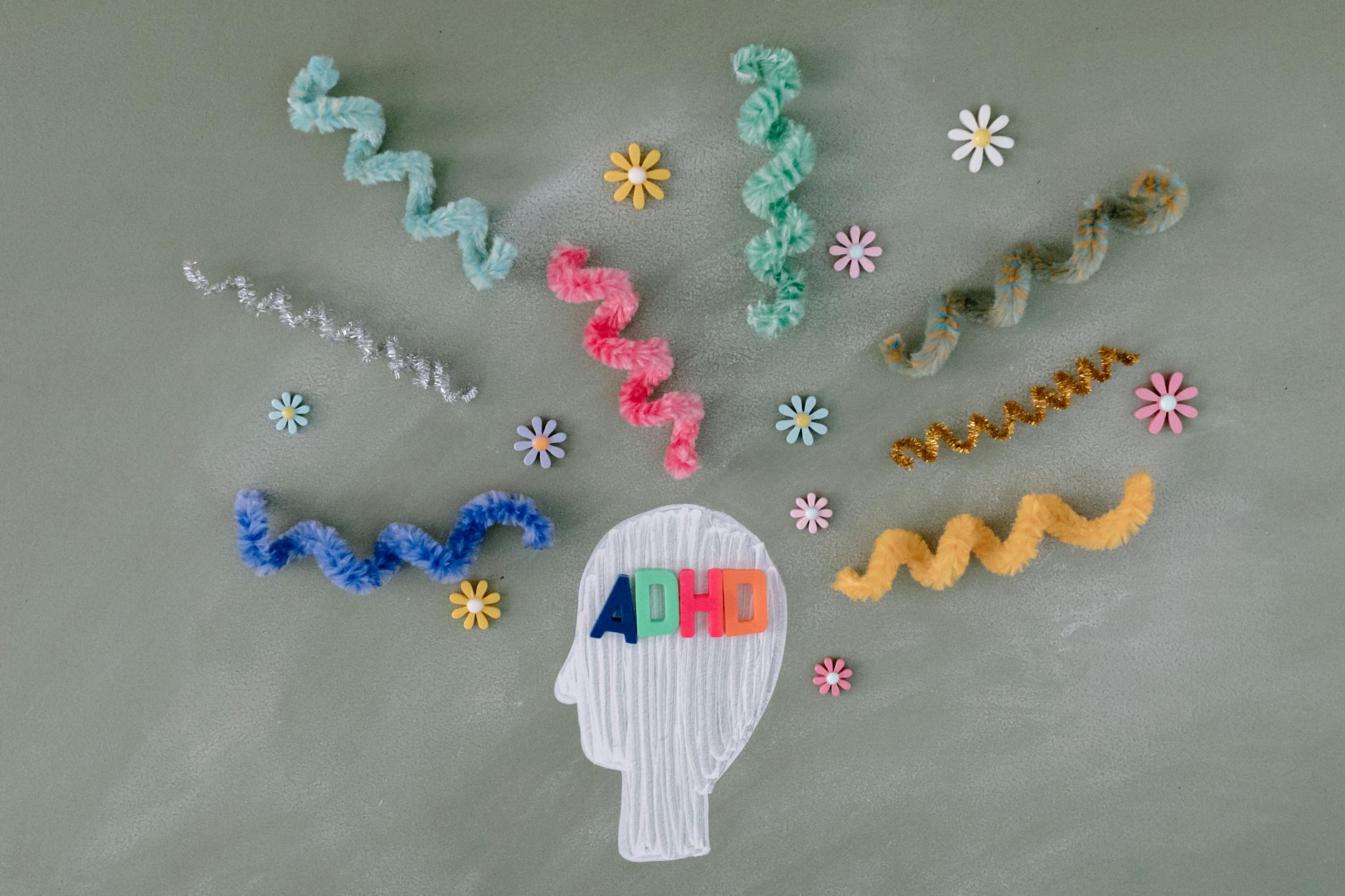
Accepting and embracing your introverted neurodiverse identity is a journey that can lead to greater self-awareness and personal growth. Here are some steps you can take to fully embrace who you are:
- Educate yourself: Learn more about introversion and your specific neurodiversity to better understand your unique traits and needs.
- Challenge negative self-talk: Reframe negative thoughts about your introversion or neurodiversity into positive affirmations about your strengths.
- Surround yourself with supportive people: Seek out individuals who appreciate and celebrate your unique qualities.
- Share your experiences: Consider joining support groups or online communities where you can connect with others who share similar experiences.
- Advocate for yourself: Don’t be afraid to speak up about your needs and preferences in various settings, from personal relationships to professional environments.
By fully embracing your introverted neurodiverse identity, you can live more authentically and tap into your true potential.
Resources and Support for Introverted Neurodiverse Adults
As you navigate your journey as an introverted neurodiverse adult, it’s important to know that you’re not alone. There are numerous resources and support systems available to help you thrive:
- Books and podcasts: Explore literature and audio content specifically geared towards introversion and neurodiversity.
- Online communities: Join forums and social media groups where you can connect with others who share similar experiences.
- Professional support: Consider working with therapists or coaches who specialize in neurodiversity and can provide tailored strategies for personal growth.
- Advocacy organizations: Engage with organizations that promote awareness and support for neurodiverse individuals.
- Workplace resources: Look into employee resource groups or accommodations that can help you thrive in your professional environment.
If you’re an introverted neurodiverse adult looking to connect with others who share your experiences, I encourage you to explore some of the resources mentioned above.
Remember, your introversion and neurodiversity are not limitations—they’re superpowers waiting to be harnessed.
Embrace your unique strengths, seek out support when needed, and continue on your journey of self-discovery and growth.
By utilizing these resources and support systems, you can continue to grow, thrive, and celebrate your introverted neurodiverse identity.
Remember, your unique combination of traits is not a weakness—it’s a superpower that, when properly harnessed, can lead to extraordinary achievements and a deeply fulfilling life.



































 The Zen Professor
Leave a comment