Do you find yourself merely going through the motions, when it comes to expressing gratitude? Gratitude is a powerful emotion that has the potential to transform your life. However, many people find themselves merely going through the motions of expressing gratitude without genuinely feeling it.
This disconnect can lead to a superficial experience of appreciation, leaving you unfulfilled. In this article, we will explore the concept of “feeling gratitude” and how to move beyond just saying the words.
We’ll delve into practical strategies. We’ll share personal anecdotes. We’ll explore the deeper meaning behind gratitude. This will ultimately create a roadmap for cultivating a more profound and authentic appreciation for life.

The Essence of Gratitude
Gratitude is more than just a polite “thank you.” It is a deep-seated recognition of the goodness in your life. It includes an acknowledgment of the sources of that goodness.
This emotion can be a powerful antidote to negativity, helping you to shift your focus from what you lack to what you have. However, the challenge lies in genuinely feeling this gratitude, rather than simply reciting the phrase.
The Disconnect
Many people struggle to connect with the feeling of gratitude, especially during difficult times. Challenges such as job loss, health issues, or relationship struggles can arise. It is easy to become consumed by negativity in such instances. In these moments, the act of expressing gratitude can feel hollow. It is essential to understand that this disconnect is common and can be addressed through intentional practice.
The Impact of Gratitude
Research has shown that cultivating gratitude can lead to numerous benefits, including improved mental health, increased resilience, and stronger relationships. However, these benefits are often only realized when gratitude is felt deeply rather than simply stated. This is where the concept of “project gratitude” comes into play. It involves actively engaging with gratitude. This approach fosters genuine feelings of appreciation.
Moving Beyond Words
To truly embrace gratitude, you must go beyond the words and engage with the emotion on a deeper level. You might wonder how to achieve this. Here are some effective strategies. These strategies will help you cultivate a more profound sense of gratitude in your life.
1. Daily Gratitude Journaling
One of the most effective ways to foster genuine feelings of gratitude is through daily journaling. Each day, take a few moments to reflect on the things you are thankful for. Start with simple observations, such as the beauty of nature or the warmth of a loved one’s smile. Over time, this practice will help you to notice and appreciate the small joys in life.
2. Mindful Appreciation
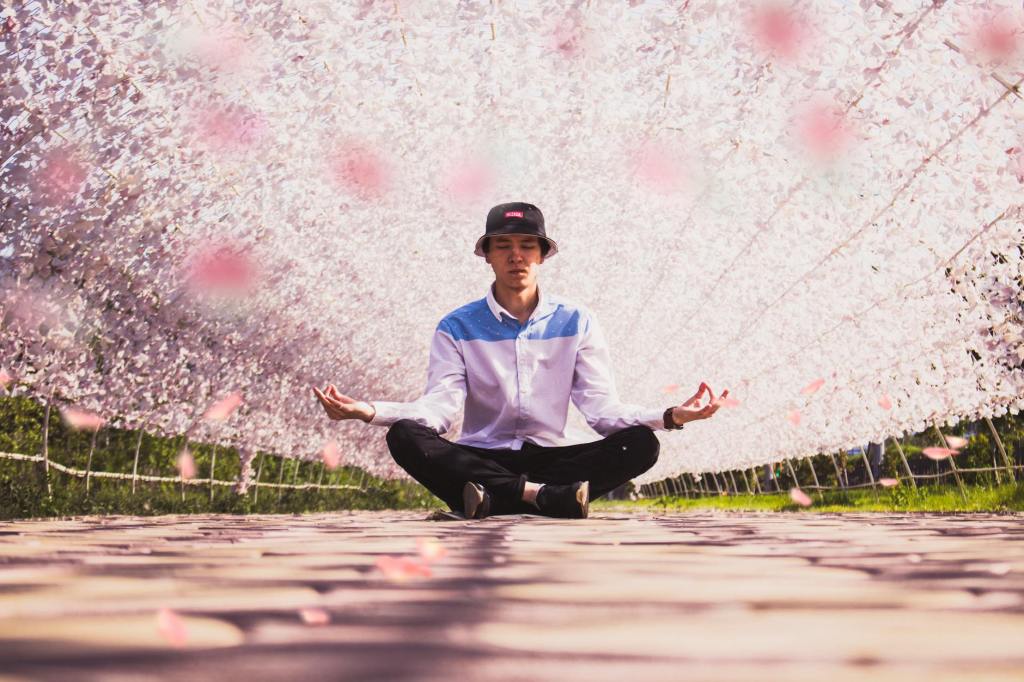
Mindfulness is a powerful tool for enhancing gratitude. By being present in the moment, you can fully appreciate the experiences and people around you. Try taking a few deep breaths and focusing on the sensations of your surroundings. Notice the colors, sounds, and textures that fill your environment. This practice can help you cultivate a deeper appreciation for the world around you.
3. Gratitude Visualization
Visualization techniques can also be beneficial in fostering gratitude. To practice visualization, close your eyes and imagine a time when you felt deeply grateful. Recall the details of that moment—what you saw, heard, and felt. Allow yourself to relive that experience, and let the feelings of gratitude wash over you. This practice can help reinforce the emotional connection to gratitude.
4. Expressing Gratitude to Others
Take the time to express your appreciation to those around you. Write heartfelt notes or verbally share your gratitude with friends, family, or colleagues. This act not only strengthens your connections but also reinforces your feelings of gratitude. When you articulate your appreciation for others, you deepen your emotional experience of gratitude.
The Role of Adversity
Interestingly, some of the most profound experiences of gratitude can arise from adversity. When faced with challenges, you can often gain a new perspective on what truly matters in your life. This shift in perspective can lead to a deeper appreciation for the positive aspects of your existence.
Finding Silver Linings
In difficult times, it can be helpful to actively seek out the silver linings. For example, if you’ve faced a job loss, consider the opportunity to explore new career paths or spend more time with family. By reframing challenges as opportunities for growth, you can cultivate a more profound sense of gratitude for the lessons learned.
Learning from Pain
Pain and suffering can also serve as catalysts for gratitude. When you experience hardship, you often gain insights into your strengths and resilience. Reflecting on these lessons can help you cultivate a deeper appreciation for your journey and the people who support you along the way.
The Science of Gratitude
Understanding the science behind gratitude can also enhance our appreciation for its benefits. Research has shown that gratitude activates the brain’s reward system, releasing feel-good hormones such as dopamine and serotonin. This biochemical response reinforces the positive emotions associated with gratitude.
Neuroplasticity and Gratitude

Neuroplasticity, the brain’s ability to reorganize itself, is another critical aspect of gratitude. By consistently practicing gratitude, you can rewire your brain to focus on the positive aspects of life. This shift in perspective can lead to lasting changes in your emotional well-being.
Gratitude and Mental Health
Numerous studies have demonstrated the positive impact of gratitude on mental health. Individuals who regularly practice gratitude report lower levels of depression and anxiety, improved self-esteem, and enhanced overall life satisfaction. By actively engaging with gratitude, you can cultivate a more positive mindset and improve your mental health.
Practical Tips for Cultivating Gratitude
To help you integrate gratitude into your daily life, here are some practical tips to consider:
1. Set Reminders
Incorporate reminders into your daily routine to prompt feelings of gratitude. This could be as simple as setting a daily alarm to pause and reflect on what you’re thankful for or placing sticky notes around your home with gratitude prompts.
2. Create a Gratitude Ritual
Establish a gratitude ritual that resonates with you. This could involve lighting a candle and taking a moment to reflect on your blessings or sharing a gratitude circle with loved ones. Rituals can help reinforce the emotional connection to gratitude.
3. Focus on the Present
Practice being present in your daily life. Engage fully in conversations, savor your meals, and appreciate the beauty of nature. By focusing on the present moment, you can cultivate a deeper sense of gratitude for the experiences unfolding around you.
4. Embrace Imperfection
Recognize that life is not always perfect, and that’s okay. Embracing imperfections can help you appreciate the beauty in the chaos. Instead of striving for an idealized version of gratitude, focus on being grateful for the messiness of life.
The Ripple Effect of Gratitude
Gratitude has the power to create a ripple effect in your life and the lives of those around you. When you express gratitude, you inspire others to do the same, creating a culture of appreciation. This collective shift can lead to stronger relationships, improved mental health, and a more positive community.
Building Stronger Connections
By actively practicing gratitude, you strengthen your connections with others. When you express appreciation, you foster trust and deepen your relationships. This sense of connection can enhance your overall well-being and create a supportive network of individuals who uplift one another.
Gratitude in the Workplace

In a professional setting, gratitude can significantly impact workplace culture. Expressing appreciation for colleagues can lead to increased morale, improved collaboration, and a more positive work environment. By fostering a culture of gratitude, organizations can enhance employee satisfaction and productivity.
Overcoming Barriers to Gratitude
While cultivating gratitude can be transformative, it is essential to acknowledge the barriers that may hinder your ability to feel this emotion. Here are some common obstacles and strategies to overcome them:
1. Negative Thought Patterns
Negative thought patterns can cloud your ability to feel gratitude. To combat this, practice reframing negative thoughts into positive ones. For example, instead of focusing on what you lack, shift your attention to what you have.
2. Comparison Trap
In a world dominated by social media, it’s easy to fall into the comparison trap. Recognize that everyone has their struggles, and focus on your unique journey. Celebrate your achievements, no matter how small, and appreciate the progress you’ve made.
3. Busyness and Distraction
In our fast-paced lives, busyness can prevent you from taking the time to reflect on gratitude. Make a conscious effort to slow down and prioritize moments of reflection. Consider scheduling regular “gratitude breaks” throughout your day to pause and appreciate your surroundings.
Conclusion: Embracing a Grateful Life

Ultimately, the journey to feeling gratitude is a personal and ongoing process. By moving beyond mere words and actively engaging with the emotion, you can cultivate a deeper appreciation for your life.
As you embrace gratitude, you open yourself up to a world of possibilities, transforming your perspectives and enriching your experiences.
Remember, gratitude is not just a fleeting emotion; it is a practice that can lead to lasting change. By incorporating the strategies discussed in this article, you can embark on your own “project gratitude,” fostering a profound sense of appreciation that resonates throughout every aspect of your life.
As you cultivate this practice, you may find that gratitude becomes a guiding force, illuminating the path to a more fulfilling and meaningful existence.
Follow #ProjectGratitude for more ways to feel grateful, every day of your beautiful life.

































 The Zen Professor
Leave a comment