Understanding the Concept of Blessing: More Than Just Words
When you think of a blessing, what comes to mind? Perhaps you envision a religious leader offering words of goodwill. Or you might picture a parent wishing their child well before a big event. While these are indeed forms of blessings, the concept extends far beyond mere words.
A blessing is a powerful act of intention, a transfer of positive energy, and a recognition of the inherent worth in another being or situation.
At its core, a blessing is an invocation of divine favor or a heartfelt expression of good wishes. It’s a practice that transcends religious boundaries and has been a part of human culture for millennia.
The power of a blessing lies not just in the words spoken but in the intention behind them and the energy they carry.
Consider for a moment the last time you received a genuine blessing. How did it make you feel? Chances are, it lifted your spirits, boosted your confidence, or provided comfort in a difficult time. This is because blessings have the potential to shift our perspective, realign our energy, and open us up to new possibilities. They serve as a reminder of our interconnectedness and the potential for goodness in our lives.
The Science Behind Blessings: Psychological and Physiological Effects

You might be surprised to learn that the impact of blessings isn’t just spiritual or emotional – it’s also backed by science.
Research in the fields of psychology and neuroscience has shed light on the tangible effects of positive affirmations and blessings on our mental and physical well-being.
When you receive a blessing or engage in the act of blessing, your brain releases neurotransmitters like dopamine and serotonin, which are associated with feelings of happiness and well-being.
This chemical reaction can lead to:
- Reduced stress levels
- Improved mood
- Enhanced immune function
- Better sleep quality
- Increased resilience to challenges
Moreover, the practice of blessing activates the prefrontal cortex, the part of your brain responsible for positive emotions and empathy. This activation can lead to improved emotional regulation and a greater sense of connection with others.
Physiologically, the act of blessing or being blessed can trigger the relaxation response in your body. This response counteracts the effects of stress, lowering your heart rate, blood pressure, and cortisol levels. Over time, regular engagement with blessings can contribute to better overall health and longevity.
Self-Blessing: Harnessing the Power Within
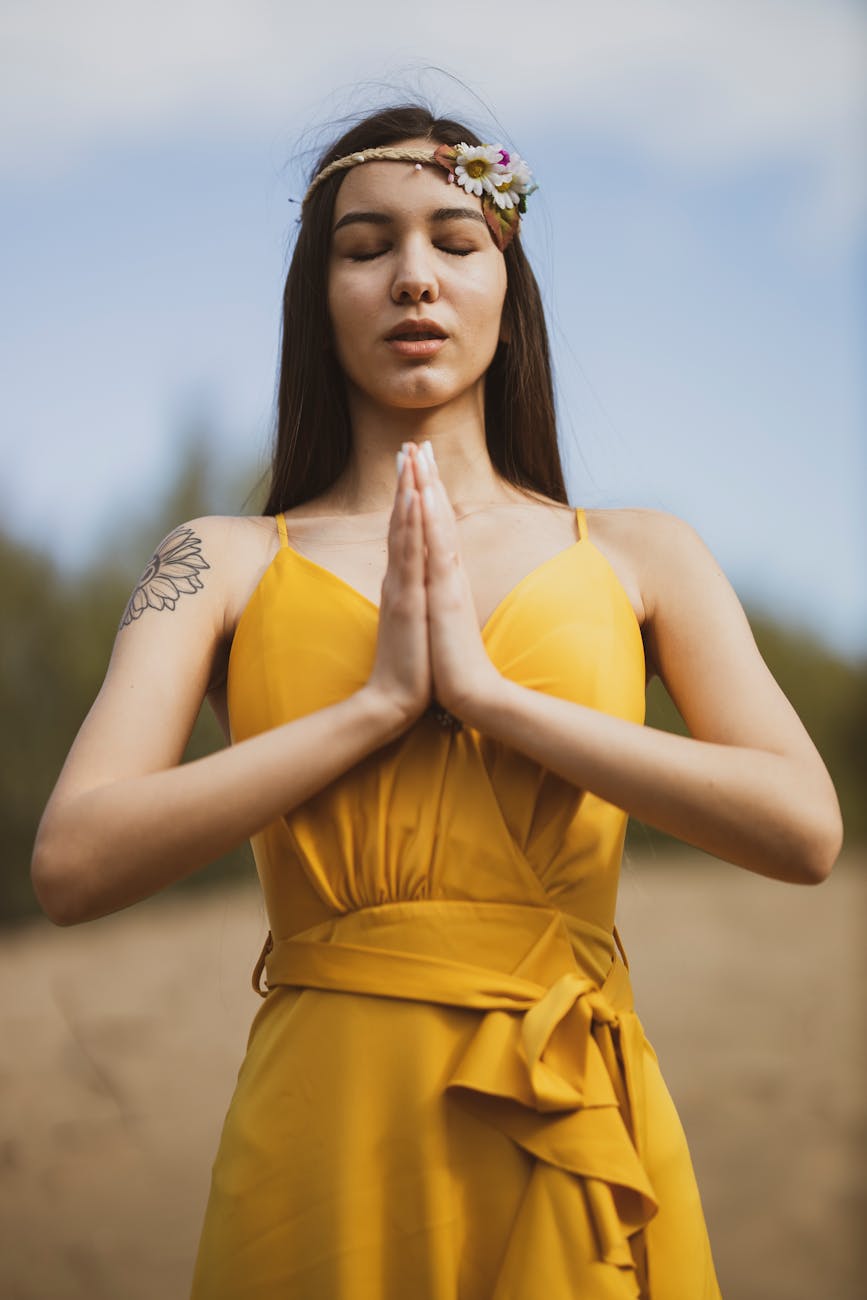
While receiving blessings from others is undoubtedly powerful, the practice of self-blessing is equally transformative.
Self-blessing is an act of self-love and acceptance that can profoundly impact your sense of self-worth and overall well-being.
To begin incorporating self-blessings into your life, start by setting aside a few minutes each day for this practice. Find a quiet space where you won’t be disturbed and follow these steps:
- Take a few deep breaths to center yourself.
- Place your hand on your heart or extend your hands over yourself.
- Speak words of kindness, love, and encouragement to yourself.
- Visualize positive energy flowing through your body.
- Express gratitude for your unique qualities and experiences.
Remember, self-blessing is not about ego or narcissism. It’s about recognizing your inherent worth and cultivating a positive relationship with yourself.
As you practice self-blessing regularly, you may notice increased self-confidence. You might also experience reduced negative self-talk. Additionally, you’ll gain a greater ability to face life’s challenges with resilience.
Blessing Others: Creating Ripples of Positivity
The act of blessing others is a powerful way to create positive change in the world around you.
When you offer a blessing to another person, you’re not only impacting their life but also setting in motion a chain reaction of positivity that can extend far beyond your immediate interaction.
Consider these ways to incorporate blessings for others into your daily life:
- Offer a heartfelt compliment to a colleague or friend
- Send a message of encouragement to someone facing a challenge
- Express gratitude to service workers you encounter
- Silently bless strangers you pass on the street
- Create a blessing jar where family members can leave written blessings for each other
As you practice blessing others, you’ll likely notice a shift in your own perspective. You become more attuned to the good in people and situations, fostering a sense of connection and compassion. This shift can lead to improved relationships, a more positive outlook on life, and a greater sense of purpose.
Cultural Perspectives on Blessings Across the Globe
Blessings are a universal concept, but their expression varies widely across cultures. Understanding these diverse perspectives can enrich your own practice of blessing and foster greater cultural appreciation.
For example, the Native American’s use smudging ceremonies for cleansing and protection.
Buddhist practice Metta meditation for cultivating loving-kindness .
These practices, while different in form, share a common thread of invoking positive energy and divine favor.
By exploring and respecting these diverse traditions, you can broaden your understanding of blessings and find new ways to incorporate them into your life.
The Role of Blessings in Various Spiritual Practices
Across different spiritual traditions, blessings play a central role in connecting individuals with the divine and fostering a sense of community.
Understanding these practices can provide insight into the universal power of blessings and inspire your own spiritual journey.
In Christianity, blessings are often associated with the concept of grace – unmerited divine favor. Priests and ministers offer blessings during services, and individuals are encouraged to bless one another.
The practice of “saying grace” before meals is a common form of blessing in many Christian households.
Regardless of your spiritual background, you can draw inspiration from these diverse practices to create a blessing ritual that resonates with your beliefs and values.
Transforming Relationships Through the Act of Blessing
The power of blessing extends beyond individual well-being – it has the potential to transform your relationships with others. By incorporating blessings into your interactions, you can foster deeper connections, resolve conflicts, and create a more positive social environment.
In romantic relationships, the practice of blessing your partner can strengthen your bond and increase feelings of appreciation. Try starting each day by silently blessing your partner, focusing on their positive qualities and wishing them well. This simple act can shift your perspective and help you approach challenges with more patience and understanding.
In parent-child relationships, blessings can be a powerful tool for nurturing and encouragement. Consider establishing a bedtime ritual where you offer a blessing to your child, affirming their worth and potential. This practice can boost their self-esteem and create a sense of security.
Even in professional relationships, the act of blessing can have a profound impact. By mentally blessing your colleagues or clients before meetings or interactions, you can cultivate a more positive and collaborative atmosphere. This shift in energy can lead to better communication and more successful outcomes.
Remember, the key to transforming relationships through blessings is consistency and sincerity. Make it a regular practice, and you’ll likely see positive changes in your interactions over time.
Incorporating Blessings into Daily Life: Practical Tips
To harness the transformative power of blessings, it’s essential to make them a regular part of your daily routine. Here are some practical tips to help you incorporate blessings into your life:
- Morning Ritual: Start your day with a self-blessing or by blessing your loved ones. This sets a positive tone for the day ahead.
- Gratitude Practice: Before meals, take a moment to bless your food and express gratitude for it. This enhances mindful eating and appreciation.
- Commute Blessings: During your daily commute, silently bless fellow travelers or the places you pass. This can transform a potentially stressful time into a meaningful practice.
- Nature Walks: When in nature, offer blessings to the plants, animals, and elements around you. This fosters a sense of connection with the natural world.
- Bedtime Reflection: End your day by blessing the experiences you’ve had, both challenging and joyful. This promotes a sense of closure and peace.
- Digital Blessings: Before sending important emails or messages, take a moment to bless the recipient and your communication. This can improve the quality of your digital interactions.
- Blessing Box: Create a “blessing box” where family members can leave written blessings for each other. Reading these can be a source of comfort and connection.
By integrating these practices into your daily life, you’ll create numerous opportunities for blessing and be more attuned to the positive energy around you.
The Domino Effect: How Blessings Can Change Communities

The power of blessings extends far beyond individual experiences – it has the potential to create a ripple effect that can transform entire communities.
When you consistently practice blessing yourself and others, you become a catalyst for positive change in your environment.
Consider the following ways blessings can impact communities:
- Increased Empathy: Regular blessing practices can enhance your ability to empathize with others, leading to more compassionate interactions within your community.
- Reduced Conflict: By approaching others with a blessing mindset, you’re more likely to seek understanding and resolution in conflicts, promoting harmony in your neighborhood or workplace.
- Volunteer Spirit: The practice of blessing often cultivates a desire to serve others, potentially increasing volunteerism and community engagement.
- Positive Social Norms: As more individuals adopt blessing practices, it can shift social norms towards greater kindness and consideration.
- Improved Mental Health: Communities where blessings and positive affirmations are common may experience lower rates of stress, anxiety, and depression.
To leverage this domino effect, consider organizing community blessing events or workshops.
You could start a “blessing circle” in your neighborhood, where people gather regularly to share blessings and positive intentions for the community. By doing so, you’re not just transforming your own life, but contributing to the creation of a more compassionate and connected society.
Overcoming Challenges: Using Blessings in Difficult Times
Life inevitably presents challenges, but the practice of blessing can be a powerful tool for navigating these difficult times.
When you’re faced with adversity, the act of blessing can help shift your perspective, build resilience, and find meaning in struggle.
Here are some ways to use blessings during challenging periods:
- Blessing the Challenge: Instead of resisting or resenting a difficult situation, try blessing it. This doesn’t mean you have to like it, but acknowledging its potential for growth can change your relationship with the challenge.
- Self-Compassion Blessings: During times of personal struggle, offer yourself blessings of compassion and understanding. This can counteract negative self-talk and promote emotional healing.
- Blessing Those Who Hurt You: When dealing with interpersonal conflicts, try silently blessing those who have hurt or offended you. This practice can release resentment and open the door to forgiveness.
- Future Self Blessings: In moments of uncertainty, offer blessings to your future self who has overcome the current challenge. This can instill hope and confidence.
- Gratitude Blessings: Even in difficult times, find small things to bless and be grateful for. This practice can help maintain perspective and resilience.
Remember, using blessings in challenging times doesn’t mean ignoring or minimizing your problems. Instead, it’s about finding a way to approach difficulties with a more balanced and hopeful mindset.
The Language of Blessings: Crafting Meaningful Words
The words you choose when offering a blessing can significantly impact its power and effectiveness. Crafting meaningful blessings involves more than just stringing together positive phrases – it requires thoughtfulness, sincerity, and an understanding of the recipient’s needs.
Here are some guidelines for creating impactful blessings:
- Be Specific: Instead of generic well-wishes, tailor your blessing to the individual or situation. For example, “May your presentation be clear and engaging, and may your audience be receptive to your ideas.”
- Use Positive Language: Frame your blessings in positive terms. Instead of “May you not fail,” say “May you succeed brilliantly.”
- Incorporate Imagery: Use vivid imagery to make your blessing more powerful. For instance, “May your path be illuminated by the light of wisdom and compassion.”
- Express Confidence: Convey your belief in the person’s ability to receive the blessing. “I know you have the strength to overcome this challenge.”
- Include Action: Where appropriate, include a call to action in your blessing. “May you find the courage to take the first step towards your dreams today.”
- Reflect Values: Incorporate values or qualities that are important to the recipient. “May your integrity and kindness continue to shine in all your endeavors.”
Remember, the most powerful blessings come from a place of genuine care and intention.
Take a moment to center yourself and connect with your heart before offering a blessing to ensure your words carry the full weight of your positive intention.
The Impact of a Blessing
The transformative power of blessings is not just a theoretical concept – it’s a reality experienced by countless individuals around the world.
Here is a sample blessings that you can use as part of your practice. It is focused on blessing the unknown.
I bless and am grateful for the unknown today. I know it’s not always necessary to see the road ahead. Embracing life’s mysteries opens me to infinite possibilities. May my mind be open to seeing things anew. I bless and embrace the undiscovered because it makes for a much more interesting life!
Conclusion: Embracing the Transformative Power of Blessings
As we’ve explored throughout this article, the power of blessing yourself and others is a profound tool for personal growth, relationship enhancement, and community transformation.
From understanding the concept and science behind blessings to learning how to incorporate them into daily life, you now have a comprehensive guide to harnessing this transformative power.
Remember, the practice of blessing is not about perfection or adhering to strict rules. It’s about cultivating an attitude of goodwill, fostering positive intentions, and recognizing the inherent worth in yourself and others.
Whether you’re facing challenges, seeking to improve your relationships, or simply looking to infuse more positivity into your life, the act of blessing can be a powerful ally.
As you move forward, consider how you can make blessing a regular part of your routine. Start small – perhaps with a daily self-blessing or by silently blessing those you encounter. Pay attention to the shifts in your perspective and the ripple effects in your interactions.
Over time, you may find that this simple practice has the power to transform not just your own life, but the world around you.
Are you ready to experience the transformative power of blessings in your life? Start today by offering a heartfelt blessing to yourself or someone close to you. Notice how it makes you feel and the impact it has on your interactions.
Share your experiences with blessing practices in the comments below – your story could inspire others to embark on their own journey of transformation through blessings. Embrace the power of blessing, and watch as it opens doors to greater compassion, connection, and personal growth in your life. The journey of a thousand blessings begins with a single word – why not start now?
































 The Zen Professor
Leave a comment