2594 words / 14829 characters
Understanding the Impact of Global Turmoil on Mental Health
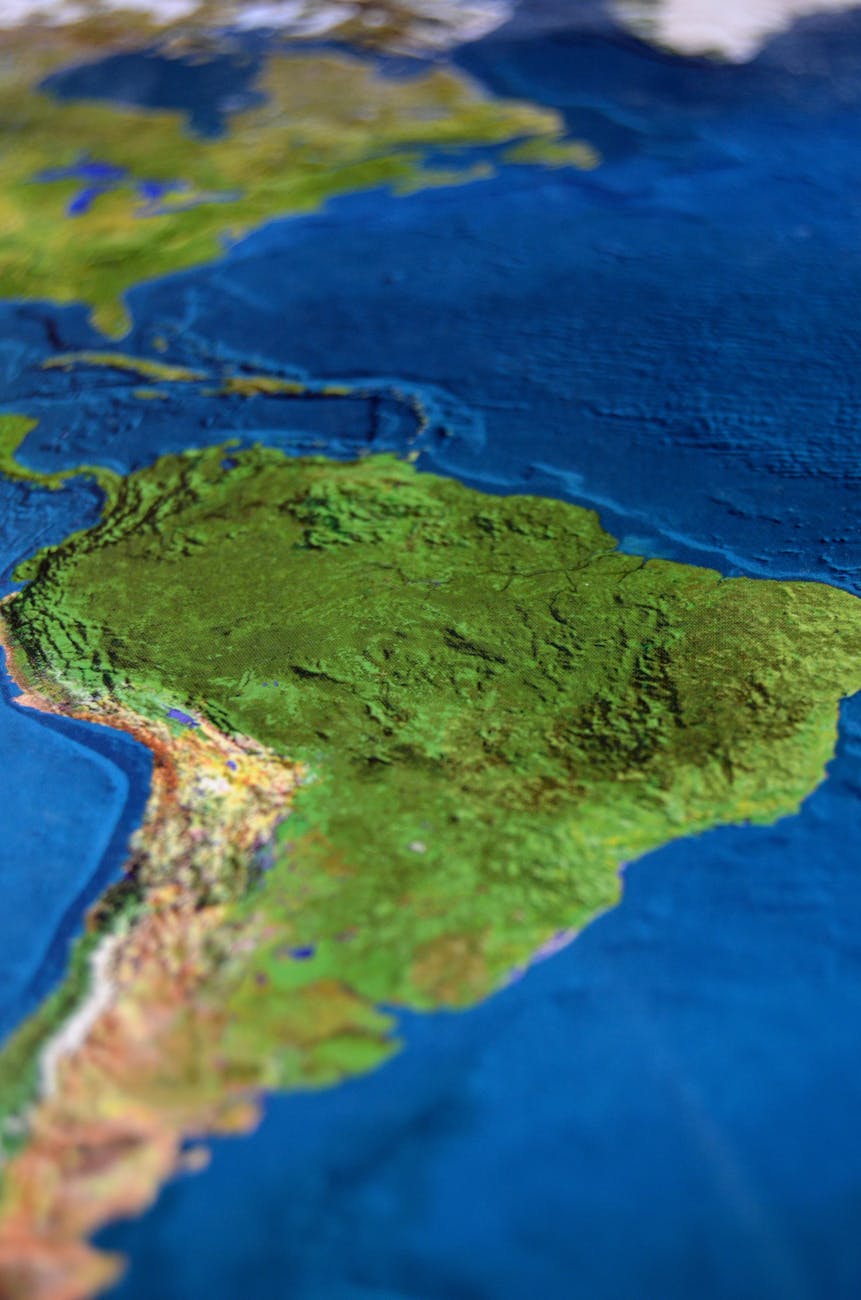
In today’s interconnected world, global events can have a profound effect on your mental health.
Constant news about wars, natural disasters, pandemics, and political unrest bombards us. This can create a sense of anxiety. It can also lead to helplessness. It is crucial to recognize that these feelings are normal responses to external chaos.
Understanding the psychological implications of global turmoil is the first step in learning how to stay calm when the world is falling apart.
Research indicates that exposure to negative news can lead to increased stress levels, anxiety, and even depression. When distressing information bombards you, your brain can enter a state of hyperarousal.

This state makes it difficult to concentrate on daily tasks. Moreover, the feeling of being overwhelmed can hinder your ability to engage with your environment and relationships. Acknowledging these impacts can empower you to take proactive measures in preserving your mental well-being.
To combat these adverse effects, it is essential to develop a toolkit of strategies that help you maintain emotional balance.
This can include mindfulness practices, limiting media exposure, and fostering social connections. By equipping yourself with these tools, you can navigate through turbulent times with greater resilience and inner peace.
The Science Behind Staying Calm in Chaotic Times
Understanding the science behind stress and calmness can illuminate the path to emotional stability during chaotic periods.
Your brain has a natural tendency to focus on threats, a survival mechanism known as the “fight or flight” response. This reaction is essential for protecting you from immediate danger, but in times of global turmoil, it can lead to chronic stress. Recognizing this pattern allows you to consciously redirect your focus toward calming techniques.
One effective method is through deep breathing exercises that activate the parasympathetic nervous system, which promotes relaxation.

When you breathe deeply, your body receives more oxygen, which can reduce stress hormones like cortisol. Research shows that deep breathing can lower heart rate and blood pressure, inducing a state of calm.
To practice, find a quiet space, inhale deeply through your nose for a count of four, hold for four, and exhale through your mouth for six. Repeat this for several minutes, allowing your body to relax.
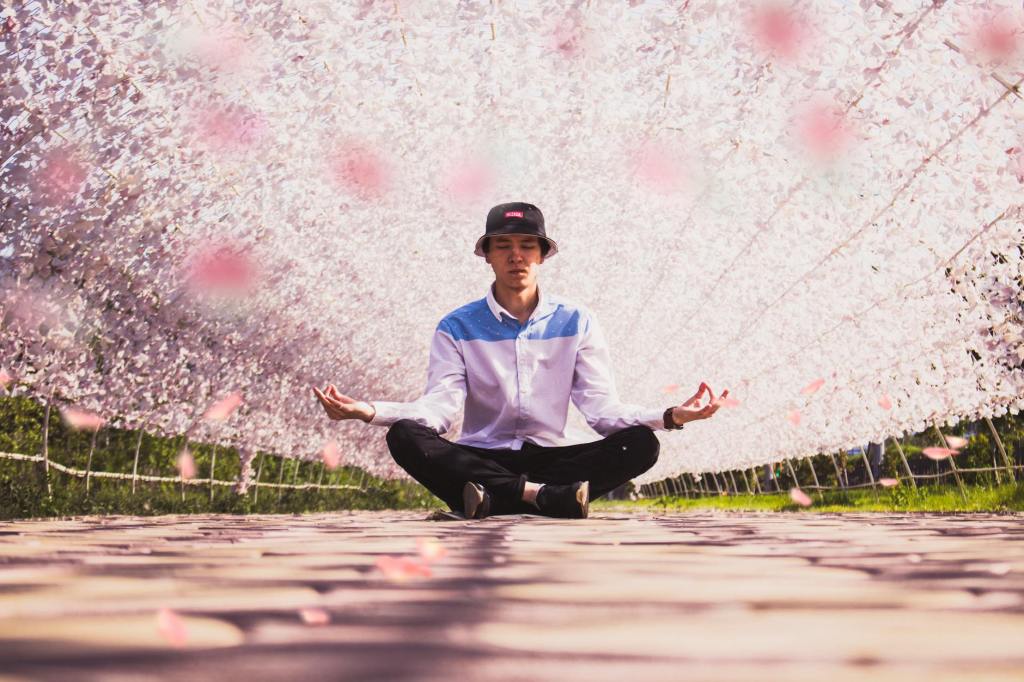
Incorporating mindfulness into your daily routine can also enhance your ability to stay calm. Mindfulness involves being present in the moment without judgment. This practice has been shown to increase emotional regulation and reduce anxiety. Studies suggest that even short sessions of mindfulness meditation can lead to tangible improvements in your mental state.
By dedicating just a few minutes each day to mindfulness, you can cultivate a more peaceful mindset amidst external chaos.
Mindfulness Techniques for Maintaining Inner Peace
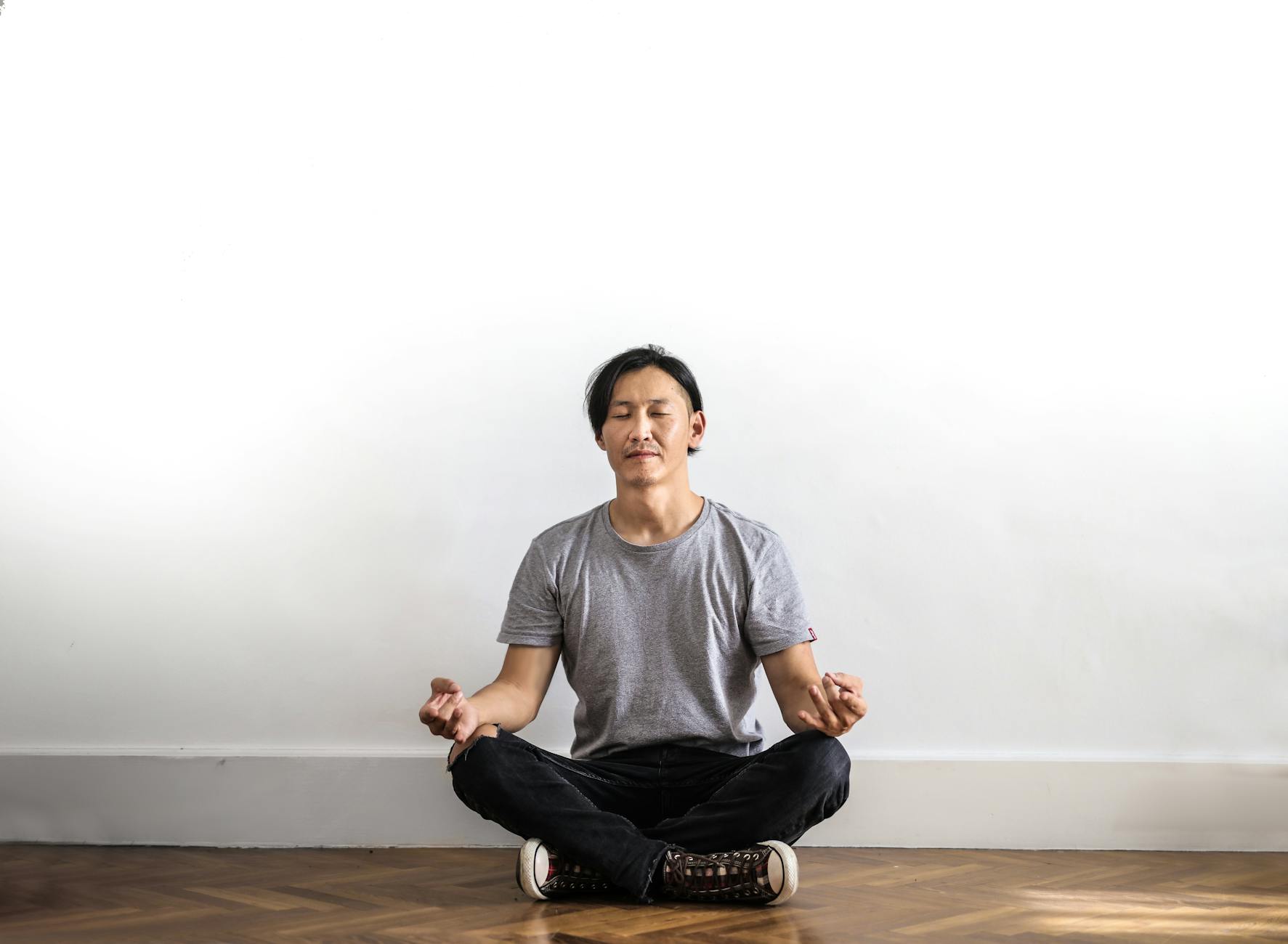
Mindfulness techniques can serve as powerful tools in your quest for tranquility. One effective method is the “body scan” technique, which encourages you to focus on different parts of your body in sequence.
Body Scan Technique
Begin by lying down in a comfortable position. Close your eyes and take a few deep breaths. Gradually shift your awareness from your toes to your head, noticing any tension or discomfort.
This practice not only enhances your connection to your body but also promotes relaxation and reduces anxiety.
Another valuable mindfulness technique is mindful walking. This practice involves paying close attention to the sensations of walking, such as the feeling of your feet touching the ground, the rhythm of your breath, and the sights and sounds around you.
By immersing yourself in this simple activity, you can cultivate a sense of presence that shields you from external stressors.
Lastly, journaling can be a powerful mindfulness exercise. Writing about your thoughts and feelings allows you to process emotions and gain clarity.
Set aside time each day to reflect on your experiences, noting any worries or fears. This practice can help you identify patterns in your thinking and develop strategies to cope with uncertainty, ultimately fostering a sense of peace.
Creating a Personal Sanctuary Amidst Chaos

Creating a personal sanctuary at home is vital for maintaining your mental health during tumultuous times. Your sanctuary can be any physical space that provides comfort and tranquility. This could be a cozy corner filled with plants, soothing colors, or simply a corner filled with your favorite books.
Design your space with items that evoke positive feelings, such as photographs, candles, or artwork. Having a dedicated place to retreat can help you recharge and find solace amidst chaos.
In addition to a physical space, consider establishing a mental sanctuary through visualization techniques.
When you feel overwhelmed, take a moment to close your eyes and imagine a peaceful place—perhaps a beach, forest, or garden. Engage all your senses by picturing the sights, sounds, and smells of this calming environment. This mental escape can provide immediate relief and help you regain a sense of control.
Establishing routines can also contribute to your personal sanctuary. Routines create a sense of stability in your life, which is particularly important during turbulent times. Incorporate calming rituals, such as morning meditation, evening tea, or regular exercise. These practices foster predictability in your daily life, allowing you to navigate chaos with greater ease.
The Power of Perspective: Reframing World Events
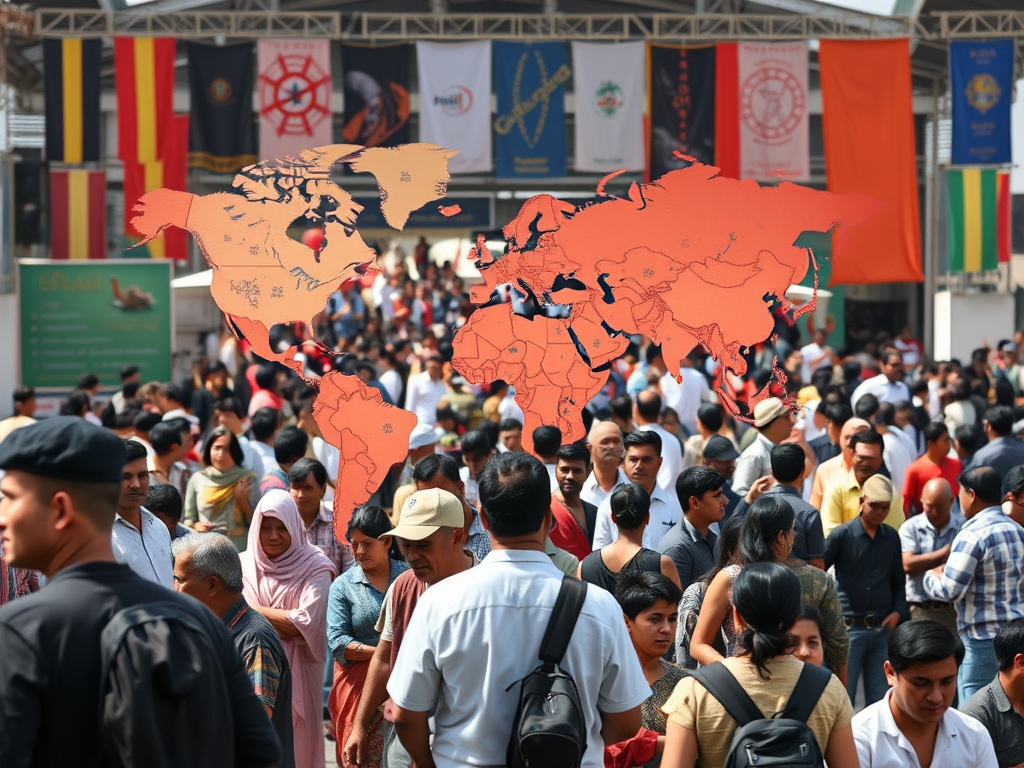
Shifting your perspective on global events can significantly impact how you respond to turmoil.
Instead of viewing news as an overwhelming barrage of negativity, try to focus on the positive aspects and potential for change.
Recognize that every challenge presents an opportunity for growth, both individually and collectively. This reframing exercise can help you cultivate a sense of agency and hope, rather than despair.
Gratitude
Consider adopting a practice of gratitude in your daily life. Each day, take a moment to reflect on three things you are grateful for, whether big or small. This simple exercise can train your mind to focus on the positives, even amidst chaos.
Research has shown that regularly practicing gratitude can improve your mood and overall well-being, providing a counterbalance to negative feelings.
Engaging in discussions with others about current events can also help you gain new perspectives. By sharing your thoughts and listening to others, you can expand your understanding of complex issues. This exchange can foster empathy and compassion, allowing you to connect with others on a deeper level. Remember, viewing events through a different lens can lead to constructive dialogue and a more balanced outlook.
Limiting Media Consumption: Finding the Right Balance

In an age of information overload, limiting media consumption is vital to maintaining your mental health. Continuous exposure to distressing news can amplify feelings of anxiety and helplessness.
It is essential to strike a balance between staying informed and protecting your mental well-being. Establishing boundaries around your media consumption can create a healthier relationship with the news.
Consider setting specific times of day for checking news updates rather than allowing yourself to be bombarded throughout the day.
For example, you might designate a half-hour in the morning and evening for this purpose. During other times, focus on activities that promote relaxation and joy, such as reading, exercising, or spending time with loved ones. This structure can help you remain informed while preventing news fatigue.
Additionally, curate your media sources to prioritize reliable and constructive content. Seek out news outlets that emphasize solutions and positive developments in the world.
The Good News
Engaging with uplifting stories can provide a sense of hope and motivation, countering the often bleak narratives prevalent in mainstream media.
By being intentional about your media consumption, you can create a healthier mindset even in challenging times.
Building Resilience: Strengthening Your Mental Fortitude
Resilience is the ability to adapt and bounce back from adversity, and it is a crucial skill for navigating turbulent times.
Building resilience involves developing coping strategies and a positive mindset that allows you to face challenges with confidence. One effective way to strengthen your resilience is by setting realistic goals.
Break down larger objectives into manageable steps, allowing you to celebrate small victories along the way. This approach fosters a sense of accomplishment and encourages perseverance.
Another key component of resilience is embracing flexibility. Life is unpredictable, and being open to change can help you navigate uncertainty more effectively. Instead of resisting change, practice adapting to new situations.
This might involve learning new skills, adjusting your expectations, or reframing your goals. By cultivating a flexible mindset, you can better cope with the challenges that arise during tumultuous times.
Social support is also vital for building resilience. Surround yourself with individuals who uplift and inspire you. Engage in open conversations with friends and family about your feelings and experiences. Seeking support can provide a valuable outlet for processing emotions. It reinforces the idea that you are not alone in facing adversity. Building strong connections in your life can enhance your overall resilience.
Connecting with Others: The Importance of Support Systems
In times of turmoil, the importance of social connections cannot be overstated. Having a strong support system can provide emotional comfort and practical assistance when you need it most.
Make it a priority to reach out to friends, family, or community members during challenging moments. Engaging in conversations about your feelings can foster a sense of belonging and help alleviate feelings of isolation.
Consider joining support groups or community organizations that align with your interests or values. These groups can create a sense of solidarity and provide a platform for sharing experiences and coping strategies. Connecting with like-minded individuals can enhance your sense of community and reinforce the idea that you are not alone in your struggles.
In addition, don’t underestimate the power of volunteering or helping others. Acts of kindness can create a positive ripple effect, benefiting both you and those you assist. Engaging in altruistic activities can elevate your mood, provide a sense of purpose, and foster connections with others. In turbulent times, focusing on support and connection can lead to greater emotional resilience.
Practical Self-Care Strategies for Turbulent Times
Self-care is essential for maintaining your mental well-being during turbulent times. It involves taking deliberate actions to nurture your physical, emotional, and mental health.
Start by assessing your current self-care practices and identifying areas where you can improve. This might include prioritizing sleep, maintaining a balanced diet, or incorporating regular physical activity into your routine.
To create a self-care plan, consider including activities that bring you joy and relaxation. This could involve hobbies like reading, painting, gardening, or practicing yoga. Schedule time for these activities each week to ensure that you prioritize your well-being, even when life feels chaotic. Remember, self-care is not a luxury; it is a necessity for your mental health.
Additionally, consider integrating technology into your self-care routine. There are numerous apps available for mindfulness, meditation, and fitness that can enhance your self-care practices.
These resources can guide you through exercises and provide accountability, making it easier to stay committed to your mental health goals. By actively engaging in self-care, you can cultivate resilience and find peace amidst the turmoil.
Taking Action: How Small Steps Can Lead to Big Change

Taking action, even in small ways, can empower you during challenging times.
When the world feels overwhelming, focusing on what you can control can create a sense of agency. Start by identifying specific actions you can take to address issues that concern you.
This could involve participating in community service, advocating for a cause you believe in, or educating others about important topics.
Set achievable goals that align with your values and interests. For example, you might commit to volunteering a few hours each month or participating in local advocacy efforts.
By taking small, deliberate steps, you can contribute to positive change in your community and the world at large. This sense of purpose can foster resilience and help you navigate through turbulent times with greater ease.
Moreover, acknowledge the progress you make along the way. Celebrate your contributions, no matter how small, as they collectively add up to create a significant impact.
Recognizing your efforts can reinforce your sense of agency and motivate you to continue taking action. Remember, every step counts, and your actions can inspire others to do the same.
Embracing Uncertainty: Finding Peace in the Unknown
Uncertainty is an inherent part of life, and learning to embrace it can lead to greater peace. In times of turmoil, it is natural to seek predictability and control, but this can often lead to frustration. Instead, practice accepting that uncertainty is a fundamental aspect of existence. This acceptance can liberate you from the fear of the unknown and allow you to focus on the present moment.
One effective way to embrace uncertainty is through mindfulness practices that encourage you to stay anchored in the present.
Focus on what you can control—your thoughts, feelings, and actions. This shift in focus can alleviate anxiety about future outcomes and help you find contentment in the here and now.
By practicing mindfulness techniques, you can cultivate a sense of calm amidst external chaos.
Engaging in open dialogue about uncertainty with trusted friends or family can also help. Sharing your thoughts and feelings about the unknown can foster a sense of connection and understanding.
You may discover that others share similar anxieties, which can create a supportive environment for discussing fears and exploring coping strategies. Embracing uncertainty together can lead to greater resilience and peace.
Cultivating Gratitude and Hope in Challenging Times
In challenging times, cultivating gratitude and hope can be transformative. Practicing gratitude allows you to shift your focus from what is lacking to what is present in your life. Start a gratitude journal where you can jot down three things you are thankful for each day. This simple practice can enhance your overall outlook and provide a sense of fulfillment, even amidst chaos.
Hope is equally essential in navigating turbulent times. It serves as a guiding light, motivating you to seek positive change and foster resilience.
To cultivate hope, engage in activities that inspire you, such as reading uplifting stories or connecting with individuals who embody resilience.
Surrounding yourself with positivity can reinforce your belief in a brighter future.
Additionally, consider sharing your gratitude and hope with others. Expressing appreciation to those around you can strengthen your relationships and foster a sense of community. Engage in acts of kindness, whether through volunteering or simply reaching out to check on a friend.
By spreading gratitude and hope, you contribute to a collective sense of positivity that can uplift spirits during challenging times.
Conclusion
Navigating through turbulent times can be daunting. By implementing the strategies discussed in this guide, you can cultivate inner peace amidst chaos.
Remember that it is possible to stay calm when the world is falling apart. Practice mindfulness, limit media consumption, build resilience, and connect with others.
By taking small, deliberate actions and embracing uncertainty, you can foster a sense of hope and gratitude that uplifts your spirit.
As you embark on this journey toward inner peace, take a moment to reflect on the importance of self-care and community support.
Allow yourself the grace to feel your emotions while also seeking to cultivate joy and tranquility. The world may be unpredictable, but your ability to find peace within it is within your control.
Call to Action
If you found this guide helpful, consider sharing it with friends or family who may also benefit from these strategies.
Together, we can create a culture of support and resilience in the face of global turmoil. Take the first step today by implementing one of the techniques discussed in this article. Your journey toward inner peace begins now.




























 The Zen Professor
Leave a comment