
Understanding the Zen Philosophy: A Path to Inner Peace
In the chaotic whirlwind of modern life, finding inner peace can seem like an elusive dream. Enter Zen philosophy, an ancient wisdom that offers a refreshing perspective on navigating life’s turbulent waters.
As I began my journey to understand Zen, I discovered that at its core lies a profound simplicity. It is the art of being present and letting go.
Zen taught me to embrace the present moment. It encouraged me to find beauty in simplicity. I was urged to cultivate a mind free from unnecessary clutter. It wasn’t about escaping reality but rather fully engaging with it, without the burden of past regrets or future anxieties. I deeply connected with this philosophy during my struggles. I sought a way to find balance amidst the chaos.
The essence of Zen lies in its emphasis on direct experience rather than intellectual understanding. It encouraged me to see the world as it is, without the filters of my preconceptions and judgments. In doing this, I opened myself to a deeper connection with my surroundings. I also connected more deeply with myself. This paved the way for true inner peace.
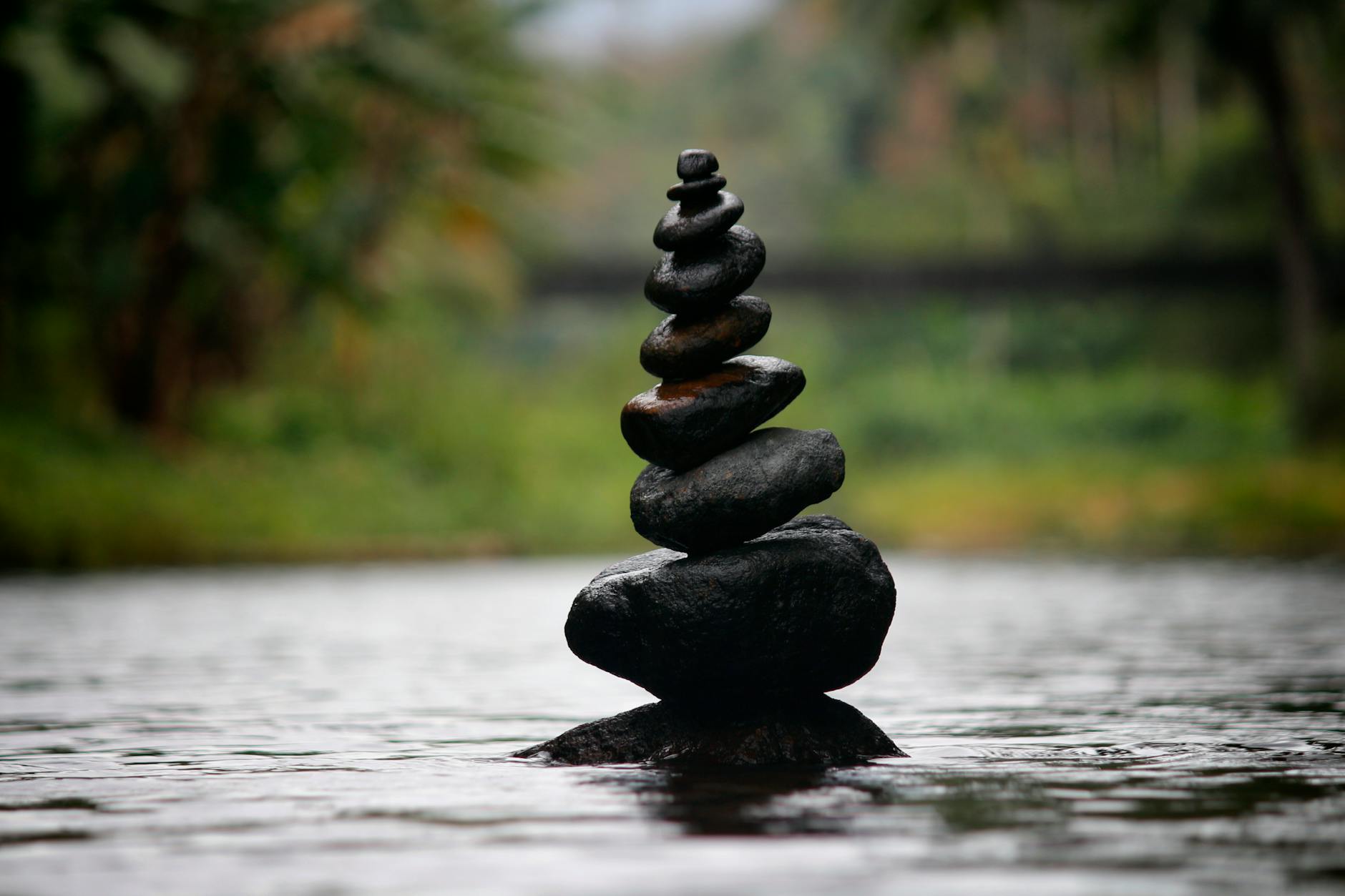
The Art of Letting Go: Why It’s Essential for Personal Growth
Letting go is one of the most challenging yet liberating skills each of us can develop. As I delved deeper into my Zen practice, I realized something important. Holding onto things, whether they were emotions, possessions, or ideas, often caused my suffering. The art of letting sh*t go became not just a catchy phrase, but a fundamental principle for personal growth and well-being.
When we cling to past hurts, outdated beliefs, or unrealistic expectations, we create barriers to our own happiness and progress. Letting go doesn’t mean we forget our experiences. It doesn’t mean we dismiss them. Rather, it’s about freeing ourselves from the emotional weight that holds us back. It’s a process of acknowledging our feelings. We learn from our experiences. Then we consciously choose to release their grip on our present and future.
The benefits of mastering this art are immense. By letting go, we create space for new opportunities, healthier relationships, and personal transformation. We become more adaptable, resilient, and open to life’s ever-changing nature. It’s a powerful tool for reducing stress, anxiety, and negative thought patterns. This helps us approach life with a lighter, more positive outlook.
Identifying What to Let Go: Emotional Baggage and Mental Clutter
The journey of letting sh*t go begins with recognizing what we need to release. This process of identification can be both enlightening and challenging. As I embarked on this path, I found myself confronting years of accumulated emotional baggage. I hadn’t even realized I was carrying this mental clutter.
Emotional baggage often includes:
- Unresolved conflicts from the past
- Grudges and resentments
- Fear of failure or rejection
- Guilt and shame
- Unrealistic expectations of ourselves and others
Mental clutter, on the other hand, encompasses:
- Overthinking and excessive worry
- Self-limiting beliefs
- Perfectionism
- Information overload
- Constant comparison with others
Identifying these burdens is the first step towards liberation. It requires honest self-reflection and a willingness to confront uncomfortable truths about ourselves. As I went through this process, I found it helpful to journal. Meditation also aided me. Sometimes, I would seek the guidance of a therapist or trusted friend to gain clarity on what I needed to release.
Mindfulness Techniques for Cultivating a Zen Attitude

Cultivating a Zen attitude is essential for mastering the art of letting sh*t go. Mindfulness, a key aspect of Zen practice, has been instrumental in my journey towards a more peaceful and centered life. I’ve found that using these techniques every day makes it easier for me to handle tough situations. They also help me keep a sense of calmness.
- Breath Awareness: This simple yet powerful technique involves focusing on your breath. You observe its natural rhythm without trying to change it. I enjoy practicing this for a few minutes every day, especially during stressful moments, to anchor myself in the present.
- Body Scan Meditation: This involves systematically focusing your attention on different parts of your body. You start from your toes and continue to the top of your head. It helps in releasing physical tension and bringing awareness to the mind-body connection.
- Mindful Walking: Taking a walk while being fully present means enjoying the experience in its fullness. Feeling your feet touch the ground. Noticing the sensations in your body. Observing your surroundings without judgment.
- Loving-Kindness Meditation: This practice involves sending positive wishes to yourself and others, cultivating compassion and empathy. It’s particularly helpful in letting go of negative feelings towards oneself and others.
- Mindful Eating: This is all about paying full attention to the experience of eating. Savoring each bite. Being aware of the tastes, textures, and sensations. This practice helps in developing overall mindfulness and appreciation for life’s simple pleasures.
By consistently practicing these techniques, I’ve found it easier to maintain a Zen attitude even in the face of life’s challenges. These practices serve as powerful tools for staying grounded. They make the process of letting go more natural and effortless.
Navigating Challenging Times: Practical Strategies for Staying Zen
Life inevitably throws curve balls our way, and it’s during these challenging times that our Zen practice is put to the test. Through my own experiences of navigating difficult periods, I’ve developed a set of practical strategies. These help me maintain my composure. They also allow me to continue the practice of letting shit go, even when it feels most challenging.
- Pause and Breathe: When faced with a stressful situation, I’ve learned to pause. I take a few deep breaths before reacting. This simple act creates a space between the stimulus and my response, allowing me to approach the situation with more clarity and calmness.
- Practice Acceptance: Accepting the reality of a situation, even if it’s not what we want, is crucial. I remind myself that resistance often causes more suffering than the situation itself. By accepting what is, I can focus my energy on constructive solutions rather than futile resistance.
- Maintain Perspective: In challenging times, it’s easy to catastrophize. I try to zoom out and look at the bigger picture. Will this matter in a week, a month, or a year? Often, this helps in putting things into perspective and letting go of unnecessary worry.
- Engage in Self-Care: During difficult periods, I prioritize self-care activities that nourish my body and mind. This might include exercise, getting enough sleep, eating nutritious foods, or engaging in hobbies that bring joy and relaxation.
- Seek Support: There’s strength in vulnerability. I’ve learned to reach out to trusted friends, family, or professionals when I need support. Sharing our burdens can often lighten the load and provide new perspectives on our challenges.
By implementing these strategies, I’ve found it easier to maintain a sense of Zen even when life gets turbulent. They serve as anchors, helping me stay grounded and continue the practice of letting go, even in the face of adversity.
The Power of Acceptance: Embracing Life’s Ups and Downs
Acceptance is a cornerstone of Zen philosophy and a crucial element in the art of letting sh*t go. As I’ve deepened my practice, I’ve come to understand that acceptance doesn’t mean resignation or giving up. Instead, it’s about acknowledging reality as it is, without resistance or denial. This shift in perspective has been transformative in how I navigate life’s inevitable ups and downs.
Embracing acceptance means:
- Acknowledging our emotions without judgment
- Recognizing that change is a constant in life
- Understanding that we can’t control everything
- Letting go of the need for perfection
- Finding peace with what is, rather than constantly striving for what should be
By cultivating acceptance, we free ourselves from the exhausting cycle of fighting against reality. We conserve energy that can be better used for growth, problem-solving, and enjoying the present moment. In my experience, acceptance has been the key to finding peace amidst chaos and maintaining equanimity in the face of life’s challenges.
Developing Resilience: Building Mental Strength for Tough Situations

Resilience is like a muscle – the more we exercise it, the stronger it becomes. I’ve navigated my Zen journey and practiced the art of letting sh*t go. I have found that developing resilience is crucial. It is essential for maintaining mental strength during tough situations. It’s not about avoiding difficulties, but rather about bouncing back stronger after facing them.
Here are some strategies I’ve found effective in building resilience:
- Cultivating a Growth Mindset: Viewing challenges as opportunities for learning and growth rather than insurmountable obstacles helps immensely.
- Practicing Self-Compassion: Being kind to yourself, especially during difficult times is key. Treating yourself with the same compassion you’d offer a good friend is a great way to start.
- Setting Realistic Goals: Try breaking larger challenges into smaller, manageable steps. Celebrate small victories along the way.
- Developing Problem-Solving Skills: Instead of dwelling on problems, focus on finding solutions. This proactive approach builds confidence and resilience.
- Maintaining a Support Network: Surround yourself with positive, supportive people who encourage and inspire you.
I consistently work on these aspects. I’ve noticed a significant improvement in my ability to handle stress. I can now bounce back from setbacks more effectively. Resilience has become my ally in the practice of letting go. It allows me to face life’s challenges with greater ease and grace.
Zen in Daily Life: Incorporating Mindfulness into Your Routine
Bringing Zen principles into everyday life has been a game-changer for me. It’s not about dedicating hours to meditation or drastically altering your lifestyle. Instead, infuse mindfulness into your daily activities. This makes the practice of letting shit go a natural part of your routine.
Here are some ways I’ve incorporated Zen into my daily life:
- Mindful Morning Routine: Start the day with a few minutes of quiet reflection or meditation. I find this sets a positive tone for the day ahead.
- Conscious Commuting: When driving, practice mindful breathing. If you are using public transport, observe your surroundings without judgment.
- Mindful Eating: Take time to appreciate your meals. Eat slowly, savoring each bite and expressing gratitude for the nourishment.
- Pause and Reset: Throughout the day, take brief moments to check in with yourself. A few deep breaths can help reset your mind and let go of accumulated stress.
- Mindful Technology Use: Be conscious of how you use technology. Set boundaries and take regular breaks from screens to connect with your surroundings and inner self.
- Evening Reflection: End your day with a brief reflection on what you’re grateful for and what you can let go of from the day.
By weaving these practices into my daily routine, I’ve found it easier to maintain a Zen attitude. I can continue the practice of letting go even amidst the busiest days.
The Role of Meditation in Letting Sh*t Go
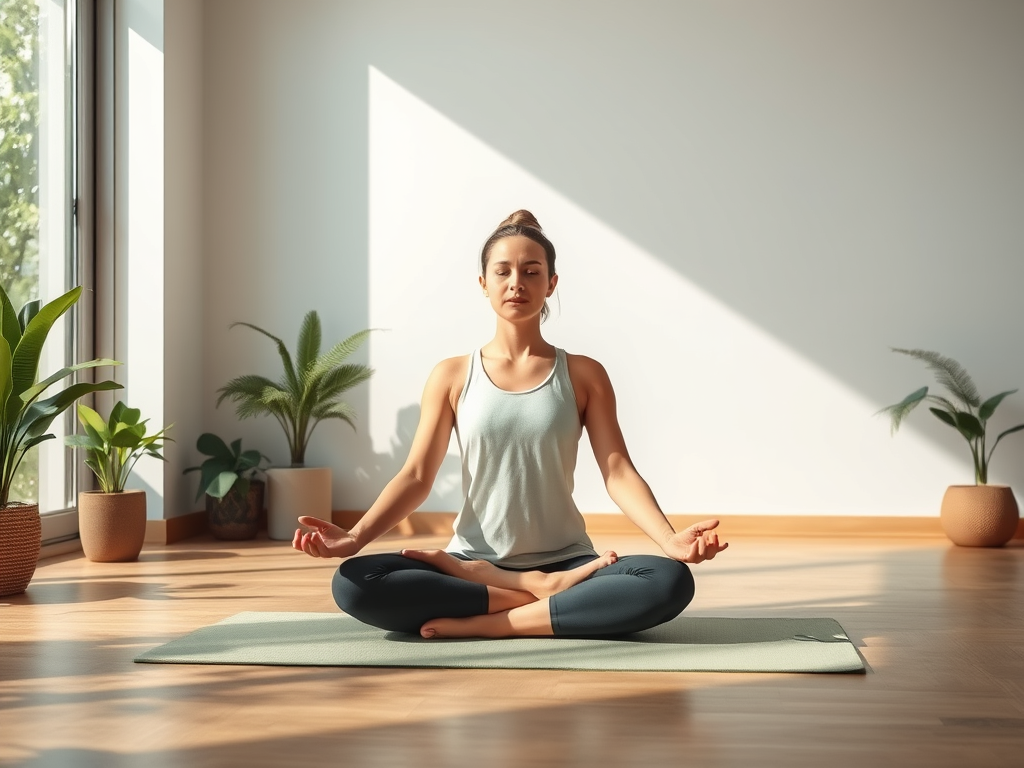
Meditation has been a cornerstone in my journey of mastering the art of letting shit go. It’s a powerful tool that allows us to observe our thoughts and emotions without getting caught up in them. Through regular meditation practice, I’ve developed a greater capacity to recognize and release unhelpful thoughts and feelings.
Different types of meditation can aid in the process of letting go:
- Mindfulness Meditation: Focuses on observing thoughts and sensations without judgment, helping to create distance from our mental chatter.
- Loving-Kindness Meditation: Cultivates feelings of compassion and forgiveness, aiding in letting go of resentment and anger.
- Body Scan Meditation: Helps release physical tension, which often correlates with emotional and mental stress.
- Visualization Meditation: Can be used to imagine physically letting go of burdens or negative emotions.
- Mantra Meditation: Using a repeated phrase or sound can help anchor the mind and let go of distracting thoughts.
I’ve found that even short, regular meditation sessions can have a profound impact on my ability to let go of stress, worry, and negative emotions. It’s like training the mind to return to a state of calm and clarity, making it easier to navigate life’s challenges with a Zen attitude.
Transforming Challenges into Opportunities: A Zen Perspective
One of the most powerful lessons I’ve learned on my Zen journey is the ability to reframe challenges as opportunities for growth and transformation. This shift in perspective has been instrumental in mastering the art of letting shit go. It helps in navigating difficult times with grace.
Here’s how I’ve learned to transform challenges:
- Embrace Impermanence: Remember that all situations, good or bad, are temporary. This awareness helps in letting go of attachment to both positive and negative experiences.
- Look for the Lesson: In every challenge, there’s an opportunity to learn something about yourself or life. I ask myself, “What can this situation teach me?”
- Practice Gratitude: Even in difficult times, there’s usually something to be grateful for. Focusing on gratitude shifts our attention from what’s wrong to what’s right.
- Cultivate Curiosity: Approach challenges with a sense of curiosity rather than dread. This open mindset can lead to creative solutions and unexpected positive outcomes.
- See the Bigger Picture: Try to zoom out and consider how this challenge fits into the larger context of your life. Often, what seems significant now may be less so in the grand scheme of things.
By adopting this Zen perspective, I’ve found that challenges become less daunting and more manageable. It’s not about denying the difficulty of a situation, but rather about approaching it with a mindset that allows for growth, learning, and ultimately, letting go.
Creating a Zen Environment: Decluttering Your Physical and Digital Spaces
Now, to be honest, this is something I am trying to get better at! I fully admit and acknowledge, I am a work in progress!
Our external environment often reflects and influences our internal state. I’ve found it incredibly beneficial to create a Zen-inspired environment in both my physical and digital spaces. This is part of my journey to master the art of letting shit go. This process of decluttering and simplifying has not only made my surroundings more peaceful but has also had a profound impact on my mental clarity and ability to let go of unnecessary mental baggage.
Here’s how I’ve approached creating a Zen environment:
Physical Space:
- Minimize Possessions: I try to go through my belongings regularly. I let go of items that no longer serve a purpose or bring joy.
- Create Open Spaces: I aim for a layout that allows for free movement and a sense of openness.
- Incorporate Nature: Adding plants or natural elements brings a sense of calm and connection to the environment.
- Organize Thoughtfully: Everything has its place, reducing visual clutter and mental stress.
- Choose Calming Colors: I opt for a neutral color palette with occasional pops of soothing colors.
Digital Space:
- Clean Up Digital Files: Regularly organizing and deleting unnecessary files helps maintain a clutter-free digital environment.
- Unsubscribe and Unfollow: Try and periodically review and curate your email subscriptions and social media follows.
- Implement Digital Minimalism: Make an effort to keep only essential apps on your devices and organize them neatly.
- Create Peaceful Screensavers: Choose calming images for backgrounds to maintain a sense of tranquility.
- Set Boundaries: Make an effort to establish clear boundaries for technology use, including designated tech-free times and spaces.
I created a Zen environment in my physical spaces. I did the same in my digital spaces. This has made it easier to maintain a calm mind. It has also helped me have a focused mind. This external order supports my internal practice of letting go, creating a harmonious flow between my surroundings and my inner state.
The Zen of Relationships: Letting Go of Toxic Connections
Relationships play a crucial role in our lives. Learning to apply Zen principles to our connections with others has transformed my journey. It is a key aspect of mastering the art of letting shit go. This involves not only cultivating positive relationships but also recognizing and releasing toxic ones that no longer serve our growth and well-being.
Here’s what I’ve learned about the Zen of relationships:
- Practice Non-Attachment: While valuing our relationships, it’s important not to become overly attached or dependent. This allows for a healthier, more balanced connection.
- Cultivate Compassion: Approaching relationships with compassion, both for others and ourselves, creates a foundation of understanding and empathy.
- Communicate Mindfully: Practice active listening and speaking with intention. This fosters clearer, more meaningful interactions.
- Let Go of Expectations: Releasing rigid expectations of how others should behave frees us from disappointment and allows relationships to unfold naturally.
- Recognize Toxic Patterns: Be aware of relationships that consistently drain your energy or negatively impact your well-being. It’s okay to set boundaries or let go of these connections.
- Forgive and Release: Practice forgiveness, not necessarily for the other person’s benefit, but for your own peace of mind. This doesn’t mean tolerating harmful behavior, but rather freeing yourself from the burden of resentment.
- Embrace Impermanence: Remember that all relationships change over time. Being open to this natural evolution can reduce suffering and attachment.
By applying these Zen principles to my relationships, I’ve found greater peace and authenticity in my connections with others. It has allowed me to cultivate deeper relationships. These relationships are more meaningful. It has also given me the courage to let go of those that no longer align with my path of growth and well-being.
Zen and Self-Care: Prioritizing Your Well-being During Difficult Times

In the pursuit of letting sh*t go and navigating challenging times, I’ve discovered that self-care is not just a luxury. It’s a crucial component of maintaining a Zen attitude. We should prioritize our well-being, especially during difficult periods. It provides us with the resilience and inner resources needed to face life’s challenges with grace and equanimity.
Here’s how I’ve integrated Zen-inspired self-care into my life:
- Mindful Self-Compassion: Treat yourself with the same kindness and understanding you’d offer a good friend. This involves acknowledging your struggles without judgment and offering yourself words of comfort and encouragement.
- Restorative Practices: Engage in activities that replenish your energy. This could be anything from taking a relaxing bath to practicing yoga or spending time in nature.
- Boundary Setting: Learn to say no to commitments that drain your energy and yes to those that align with your values and well-being.
- Mindful Movement: Incorporate gentle, mindful movement into your routine. This could be tai chi, qigong, or simply taking mindful walks in nature.
- Nourishing Nutrition: Pay attention to how different foods affect your body and mind. Opt for wholesome, nutritious meals that support your overall well-being.
- Creative Expression: Engage in creative activities that allow for self-expression and flow, such as art, writing, or music.
- Mindful Rest: Prioritize quality sleep and incorporate short periods of rest or meditation throughout your day.
- Digital Detox: Regularly disconnect from technology to reconnect with yourself and your surroundings.
By making self-care a priority, especially during challenging times, I’ve found that I’m better equipped to handle stress. It helps me let go of what no longer serves me. I can also maintain a sense of inner peace. Remember, taking care of yourself isn’t selfish – it’s essential for maintaining the energy and clarity needed to navigate life’s journey with a Zen attitude.
Conclusion: Embracing the Zen Journey Through Life’s Challenges
We have come to the end of this exploration into the art of letting shit go. It’s clear that embracing a Zen approach to life’s challenges is not a destination. Rather, it is an ongoing journey. Through my own experiences, I’ve discovered that the path of Zen offers invaluable tools for navigating the complexities of modern life with grace, resilience, and inner peace.
The journey of letting go is deeply personal and often challenging, but it’s also incredibly rewarding. By practicing mindfulness, cultivating acceptance, building resilience, and prioritizing self-care, we can develop the capacity to face life’s ups and downs with equanimity and wisdom.
Remember, the goal isn’t to eliminate all stress or challenges from our lives – that’s neither possible nor desirable. Instead, it’s about developing the skills and mindset to move through difficulties with greater ease, learning and growing along the way. Each challenge we face is an opportunity to deepen our practice and strengthen our ability to let go.
As you continue on your own Zen journey, be patient and kind with yourself. Progress may not always be linear, and there will be times when letting go feels more difficult than others. That’s perfectly normal and part of the process. What matters is your commitment to the practice and your willingness to return to it, again and again.
Ultimately, the art of letting sh*t go is about freeing yourself from unnecessary suffering. It is about opening yourself up to the fullness of life. It’s about finding peace within chaos, clarity within confusion, and freedom within life’s inevitable constraints.
So, I invite you to embrace this journey with an open heart and mind. Let go of what no longer serves you, cultivate what brings you peace and joy, and remember that in each moment, you have the opportunity to choose a Zen approach to life.
May your path be filled with moments of profound insight, deep peace, and the liberating joy of letting go.

































 The Zen Professor
Leave a comment